With trial exams fast approaching, many students are starting to feel the pressure. The good news? You do not need to study perfectly to make huge progress over the next 70 days. What matters most is building the right habits now.
Why Trial Preparation Matters
Trials are more than just practice exams. They are an opportunity to build momentum, confidence, and exam skills before the HSC itself.
The students who perform best are rarely the ones who “cram” at the last minute. They are the students who train consistently, stay connected to their goals, and practice performing under pressure.
If you want to walk into your trials feeling confident, focused, and prepared, not overwhelmed and full of regret, these are the three most important steps to start today.
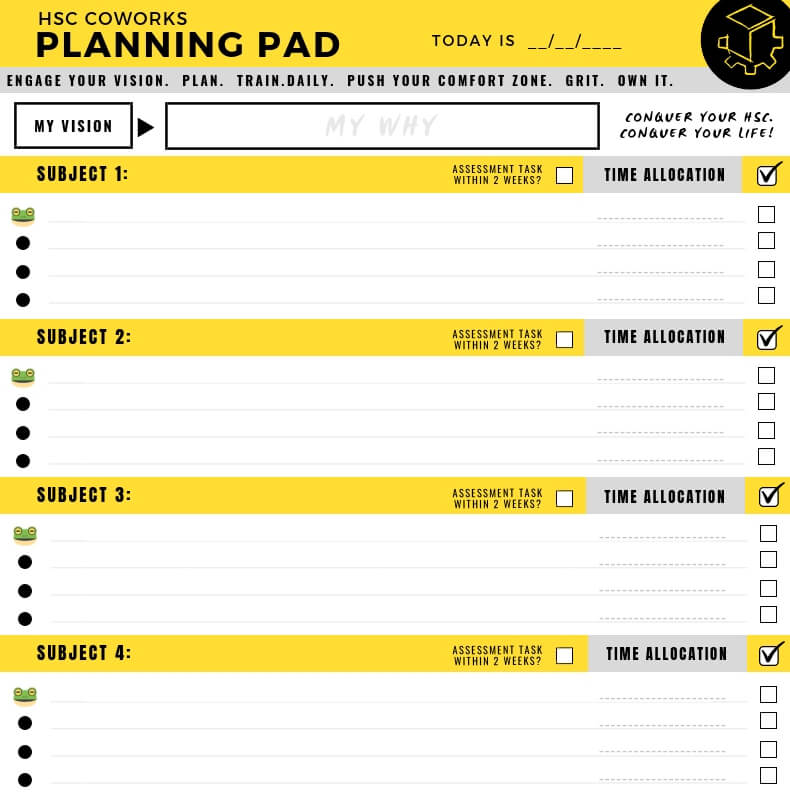
Step 1: Connect With Your Why
Before you improve your study habits, you need a reason strong enough to keep you going when motivation drops.
Your “why” creates urgency. It helps you push through distractions, procrastination, and difficult days because you are constantly reminded what you are working towards.
Without a clear goal, it becomes much harder to stay consistent as exams get closer.

How to Do It
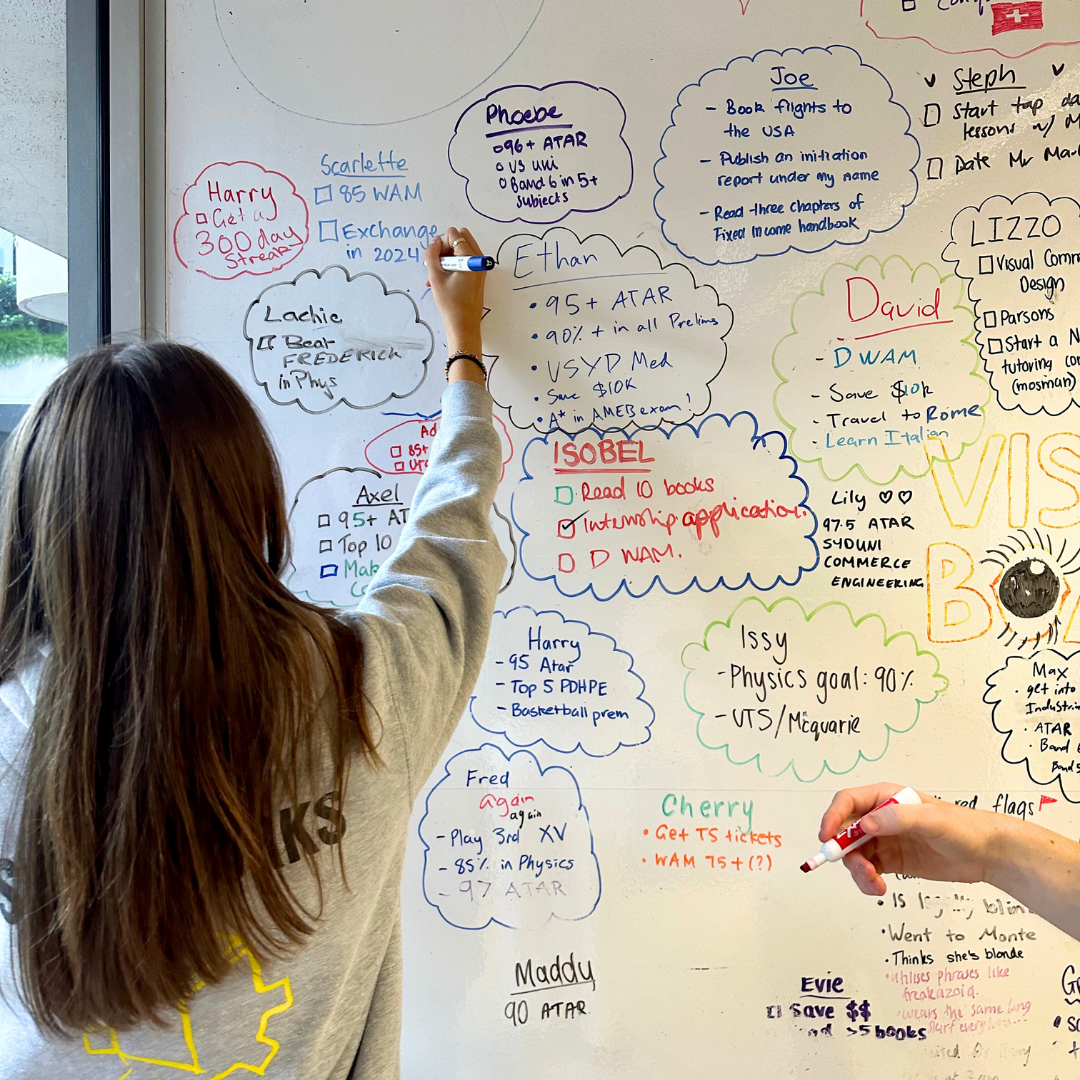
Create a visual reminder of your goals and aspirations. This could be:
- A vision board
- A collection of motivating images
- Quotes that inspire you
- Photos representing your future goals
Place it somewhere you will see every day, near your desk, on your phone wallpaper, or inside your study space.
If the idea of a “vision board” feels cliché, think of it simply as a daily reminder of the life you are working towards.
A Real Example
Jesse often helps students create goal boards using tools like ChatGPT to make the process more engaging and personal. One student even included images connected to their dream overseas holiday as motivation during long study sessions.
Common Mistake
Many students dismiss this step because it feels unnecessary or “too cheesy.” But when stress builds and energy drops, students without a clear vision often lose momentum quickly.
Step 2: Train Daily
Confidence comes from repetition. Daily training helps move key concepts, quotes, and ideas into long-term memory so you can access them quickly under exam pressure.
Even short study sessions done consistently can make a massive difference over time.
How to Do It
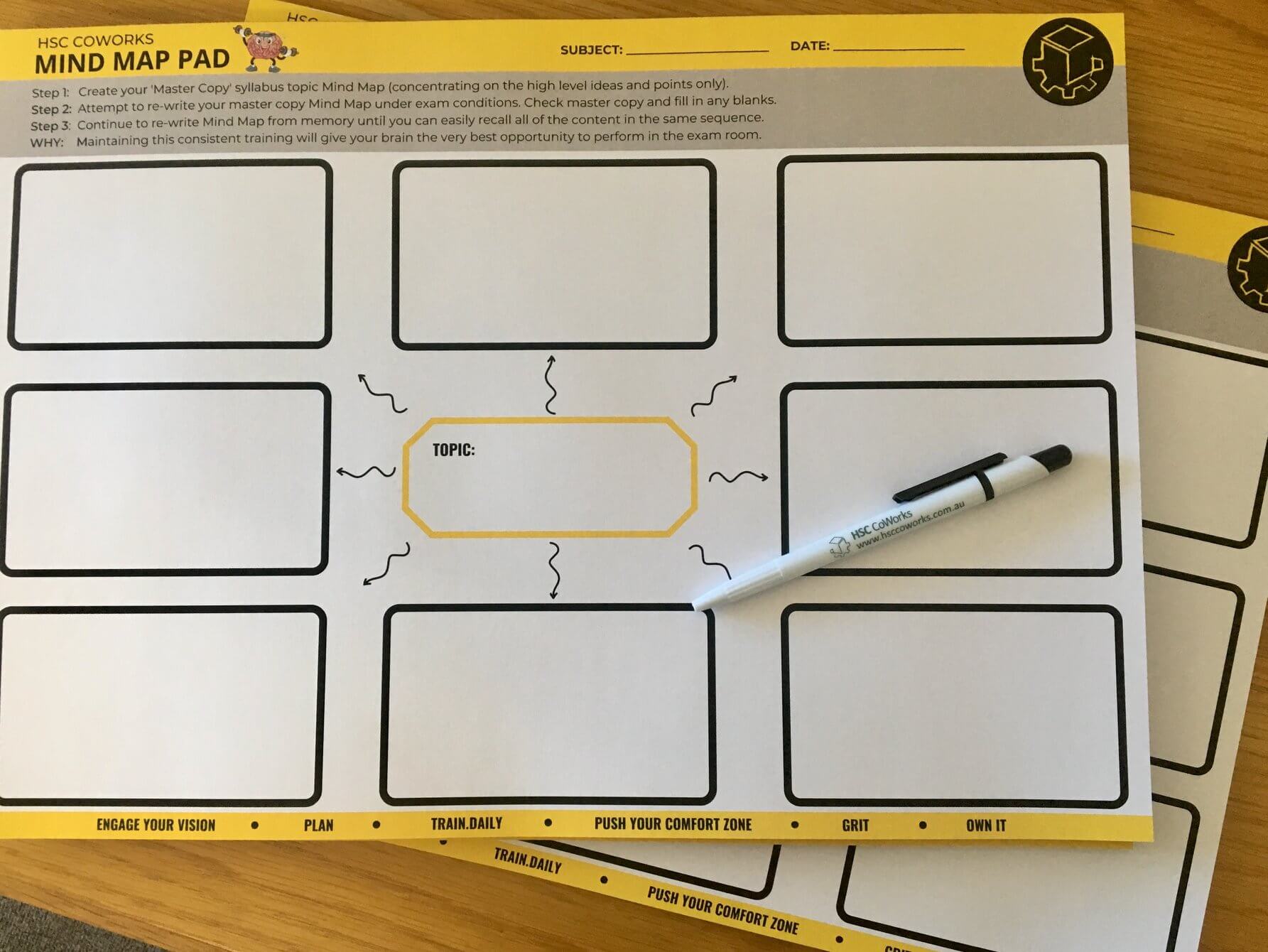
Spend at least 20 minutes each day reviewing foundational content from your subjects.
Focus on active recall strategies such as:
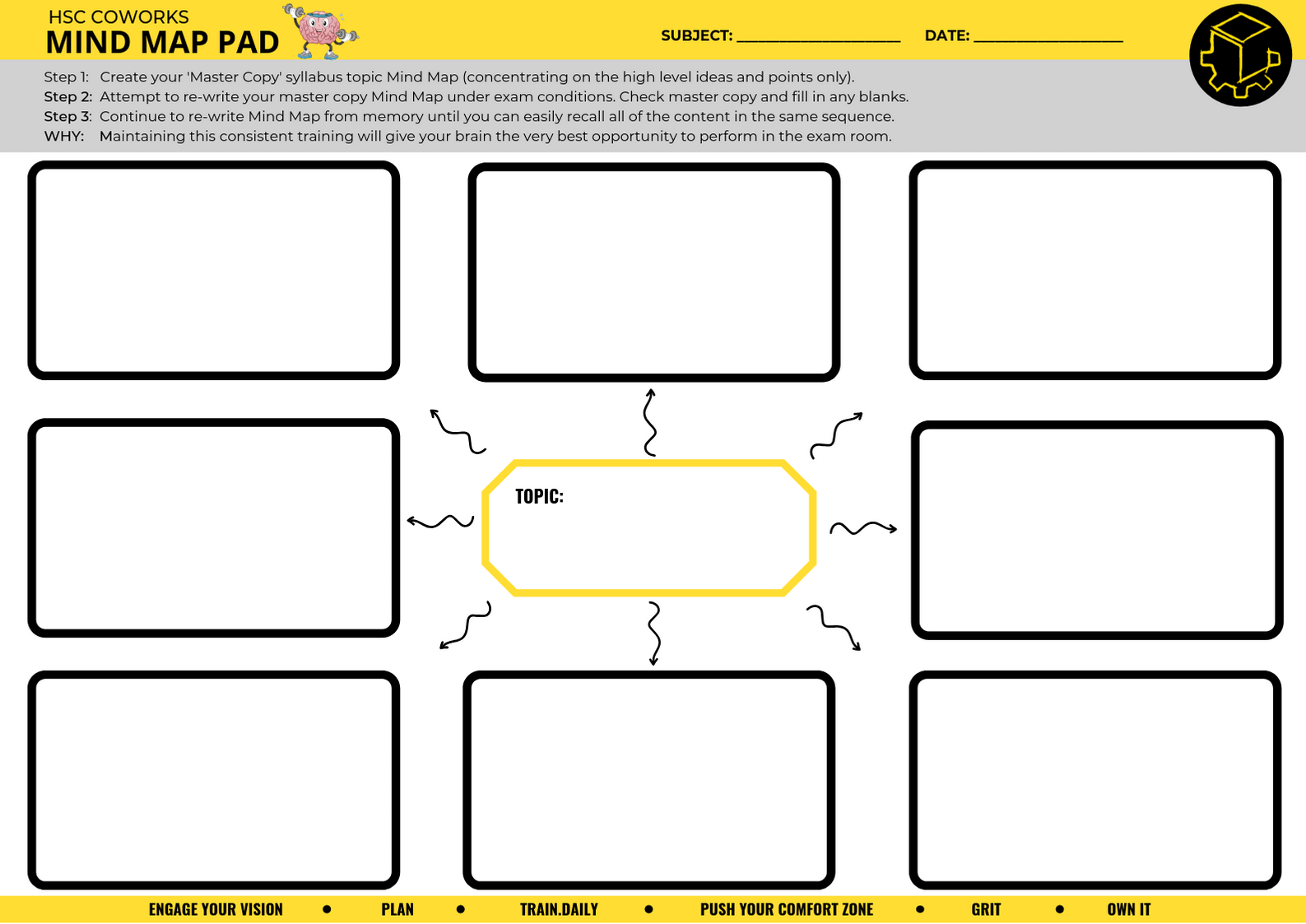
- Mind mapping
- Flashcards
- Writing quotes from memory
- Explaining concepts aloud
- Testing yourself without notes
The goal is not passive reading, it is training your brain to retrieve information quickly.
A Real Example
Jesse shared the story of a student who memorised 12 quotes from The Crucible by spending just three focused minutes each day recalling them from memory. Over time, that small habit dramatically improved both his confidence and essay performance.
Common Mistake
Many students spend all their energy on new content while neglecting older topics. By trials, they realise they have forgotten large sections of the course and need to relearn them under pressure.
Daily revision prevents this from happening.
Step 3: Simulate Exam Conditions
One of the biggest mistakes students make is waiting until they “feel ready” before attempting exam-style questions.
But exam confidence is built by practicing under pressure not by endlessly preparing to prepare.

The earlier you start simulating exam conditions, the more comfortable and capable you become.
How to Do It
Start practicing:
- Timed essays
- Past paper questions
- Handwritten responses
- Full-length exam sections
Create realistic conditions:
- Use a timer
- Remove distractions
- Work without notes
- Practice handwriting for extended periods
As trials get closer, gradually increase the frequency and difficulty of these sessions.
A Real Example
Jesse regularly reminds students not to wait until all their notes are finished before starting practice exams. Students who delay exam practice often fall into procrastination and feel overwhelmed later.
The students who improve fastest are usually the ones willing to attempt questions before they feel fully prepared. At the very least it exposes gaps and focuses your study time on target areas.
Common Mistake
Thinking “ I’ll start practice papers once I know everything. ”
In reality, practice papers are part of the learning process. not something you do at the very end.
Preparing for trials is not about studying perfectly. It is about building momentum through consistent action.
If you focus on these three things:
- Staying connected to your goals
- Training daily
- Practicing under exam conditions
…you will give yourself the best possible chance to perform at your potential.
Most importantly, you will walk into your trials knowing you prepared with purpose and walk out with no regrets.

Sarah Gardiner
HSC CoWorks
More from the Blog…

Study Skills Mistakes HSC Parents Can Look Out For
As a parent, it can be difficult to know whether your teenager is on track for the HSC. You might see them sitting at their desk for hours, writing notes or telling you they have “nothing due this week”. But what does effective HSC preparation actually look like? At...

2 Weeks Until Year 11 Final Exams: 4 Steps to Exam Prep Success
There are just a few weeks until Year 11 final exams begin and that might feel like plenty of time, but the final weeks before exams disappear quickly. Between school, assignments, sport, work and everything else going on, it’s easy to keep telling yourself you’ll...

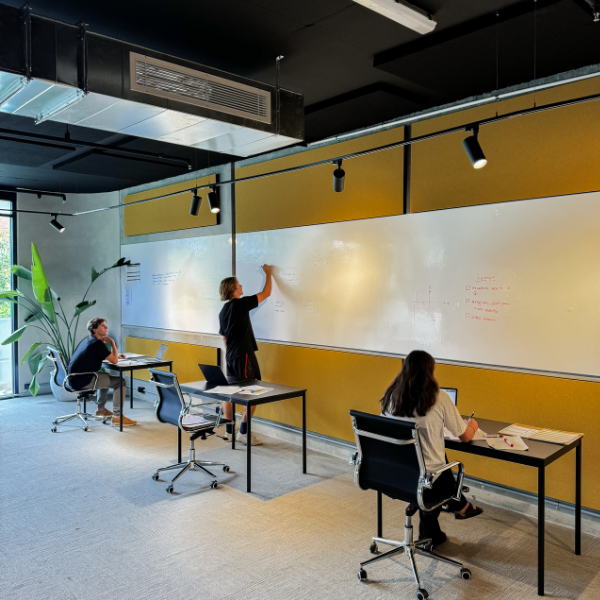

The HSC CoWorks program is designed to cultivate skills that extend far beyond the HSC, setting you on a trajectory for success in both your HSC and life after school. Develop critical thinking, time management, and resilience that lasts a lifetime.
We liken the challenge of the HSC to climbing a mountain, Mount HSC©, and through the consistent application of key behaviours all the way to the top of the mountain students will conquer their Mount HSC.