When we see others achieving the success we want, it’s easy to assume they have something special—natural intelligence, luck, or better teachers. But the truth is, they don’t have any superpowers that you don’t also possess.
The difference? They operate with a Growth Mindset and consistently work on developing their abilities.
developing your hsc superpowers
1. YOUR BRAIN IS BUILT TO LEARN
Every experience, challenge, and effort helps your brain to grow and adapt. The brain is like a muscle and the more you use it, the stronger it becomes. Each time you practice a skill, struggle with a problem, or push through a difficult concept, your brain creates and strengthens neural connections. This means that even if something feels impossible now, with persistence and effort, it will eventually become easier.
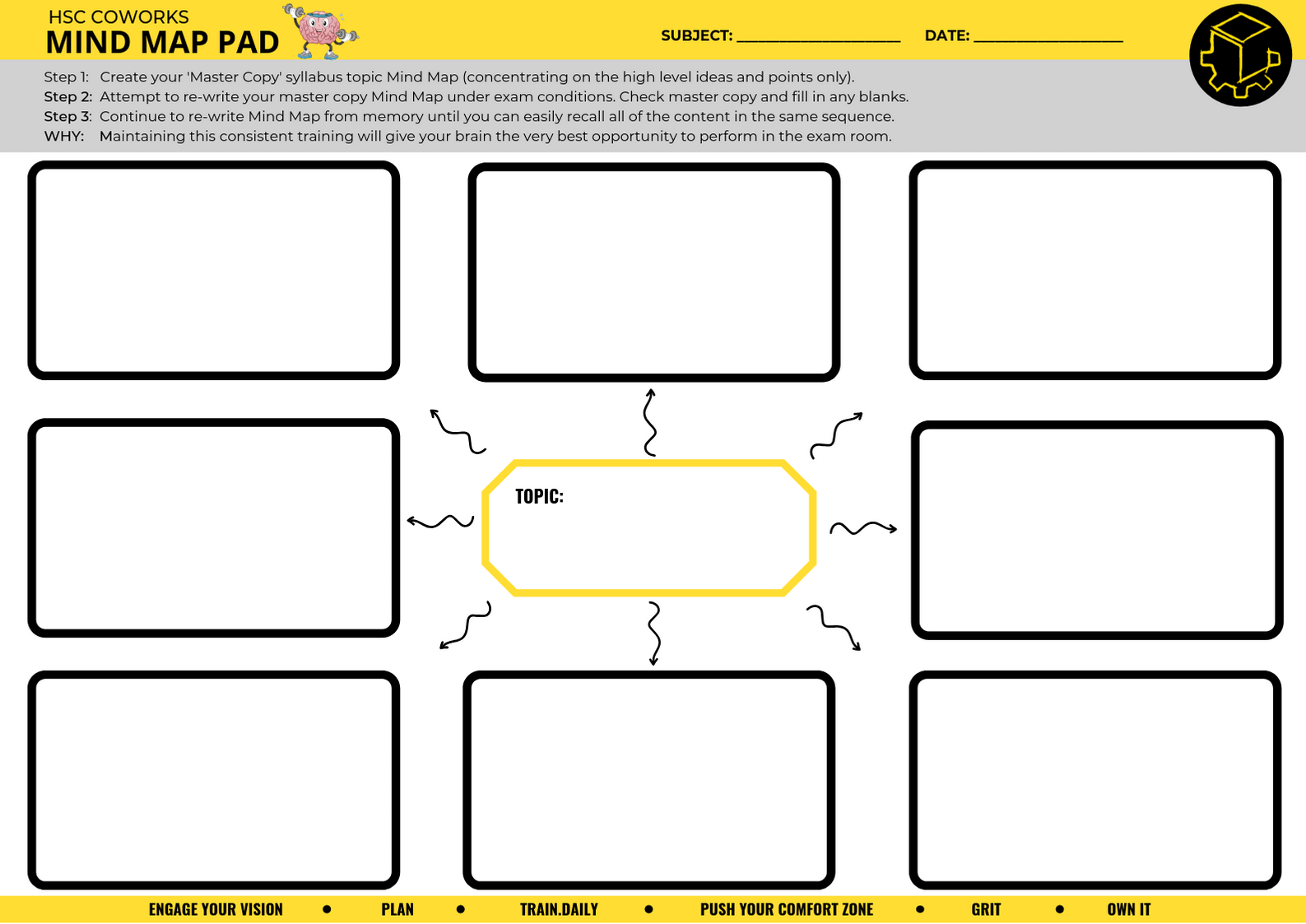
HSC CoWorks Key Behaviour #4 is Push your Comfort Zone because we know that the more a student pushes their boundaries during their day to day study routine, the more they will grow and become more confident in the lead up and during their exams. Top HSC students will spend the majority of their study time pushing their comfort zone to expand their capabilities and skills so that they are ready for any and every question. They have prepared their brain for the challenges of the exam room by operating outside of their comfort zone on a regular basis.
2.You can develop a growth mindset.
This means believing that skills and knowledge improve through consistent and intentional practice. Instead of thinking, “I’m just not good at Maths,” a growth mindset shifts your perspective to, “I can get better at Maths with effort.” This mindset allows you to embrace challenges, learn from mistakes, and see setbacks as part of the learning process rather than signs of failure. The most successful students aren’t those who never struggle—they’re the ones who keep going despite the struggles.
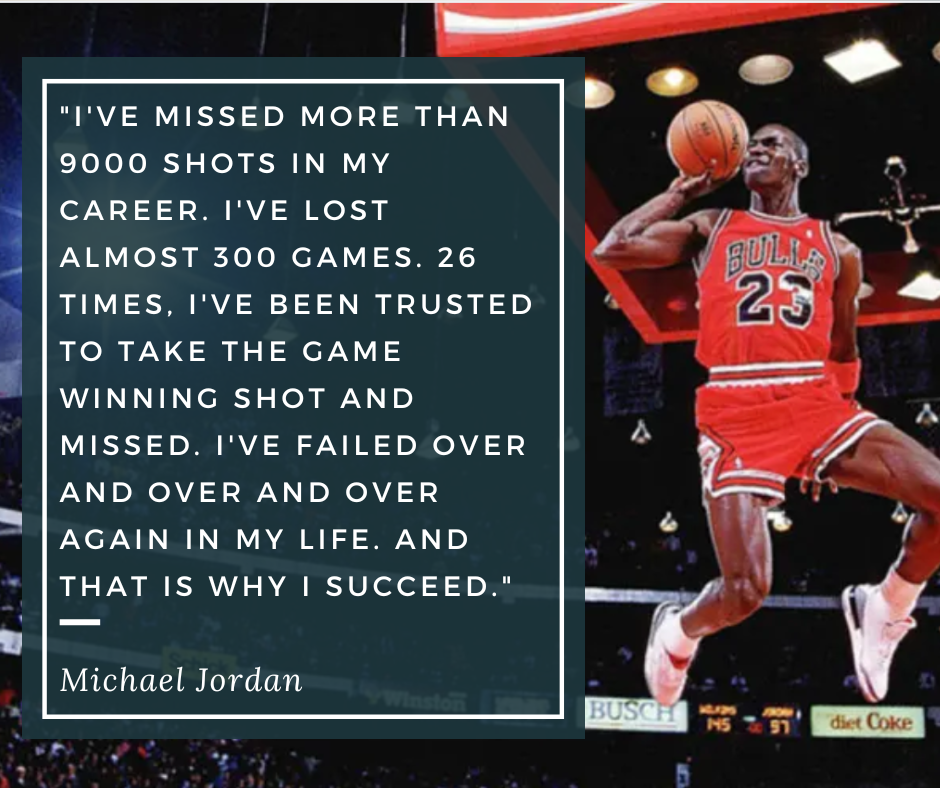
HSC CoWorks Key Behaviour #5 is Grit because we know that it’s not intelligence or talent that brings success, but the determination to overcome challenges, maintain focus, and relentlessly pursue goals.
3. You have the same 24 hours as every other HSC student.
It’s what you do with those hours that makes the difference. Time is the ultimate equaliser. While some students maximise their time by following structured study plans, working on staying motivated, and using effective study techniques, others may procrastinate or get distracted by instagram reels, tiktok and maintaining their snapchat streak! The key to success is not about working harder but working smarter—prioritising tasks, maintaining balance, and staying consistent with daily effort.
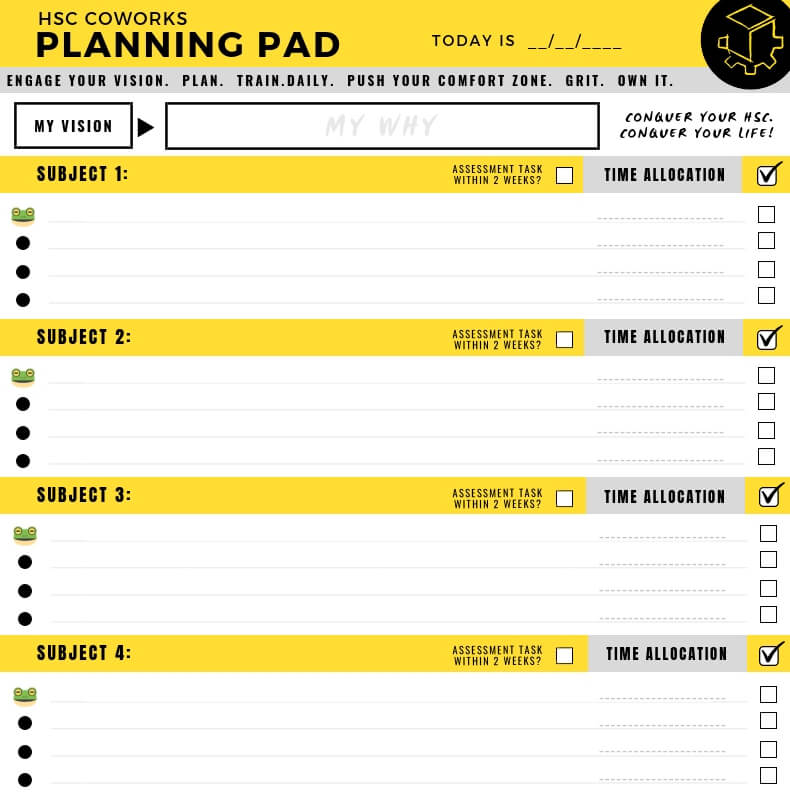
HSC CoWorks Key Behaviour #2 is Plan because we know that it is the students who utilise their limited time most effectively that will remain in control of their HSC campaign and achieve their best possible results. Being a strong planner requires students to be proactive, break tasks down into smaller chunks and take consistent action to complete these smaller chunks to ensure they don’t become overwhelmed as the due date or exam gets closer.
How Parents Can Support a Growth Mindset
-
Share your own learning experiences. Talk about how you developed skills through persistence, mistakes, and effort.
-
Help your child reflect on past successes. Whether it was learning to drive a car, getting into the Rugby 1sts, or overcoming a subject they once struggled with, these moments prove that their brain is capable of learning anything with effort.
-
Challenge fixed mindset statements. If your child says, “I’m just hopeless at essay writing,” remind them that no one is born a great writer—every skill is developed over time. Use examples from areas they respect, like sports, music, or art, to reinforce this idea.
Success in the HSC isn’t about having innate “superpowers” but about consistently developing skills and maintaining the right mindset.