The core principles of good study habits remain the same across high school, but the stakes and workload increase significantly in senior years. Year 9 students have more time to experiment with different techniques and find what works. By Year 12, students need systems that are already in place and refined. This is why starting early matters, building habits in Year 9 or 10 means they’re automatic by the time HSC pressure kicks in.
- Year 9-10: Focus on building foundational habits and trying different techniques
- Year 11: Refine your systems and increase study intensity gradually
- Year 12: Execute your established routines while managing peak workload
HSC CoWorks helps students build the organisational habits and time management routines they need to succeed. In this article, you’ll find 10 practical strategies that high school students can start using this week to stay on top of their workload and feel more confident heading into exams.
We’ve worked with thousands of Year 9–12 students over 29 years at HSC CoWorks and so these aren’t random tips , rather they are tried and tested strategies that have helped real students manage their HSC workload and feel more in control of their studies.
1.Time block your study sessions: Stay focused and avoid burnout
Open-ended study time often leads to distraction or exhaustion. Time blocking means setting a specific period for focused work, followed by a short break.
The Pomodoro Technique is a popular version: 25 minutes of work, 5-minute break, repeat. After four rounds, take a longer break. This structure keeps your brain fresh and helps you maintain concentration throughout the session.
- Set duration: Plan out your blocks of time and know exactly when your breaks are.
- Built-in rest: Prevent mental fatigue from marathon sessions.
- Clear boundaries: Make it easier to say no to distractions during your designated study block.

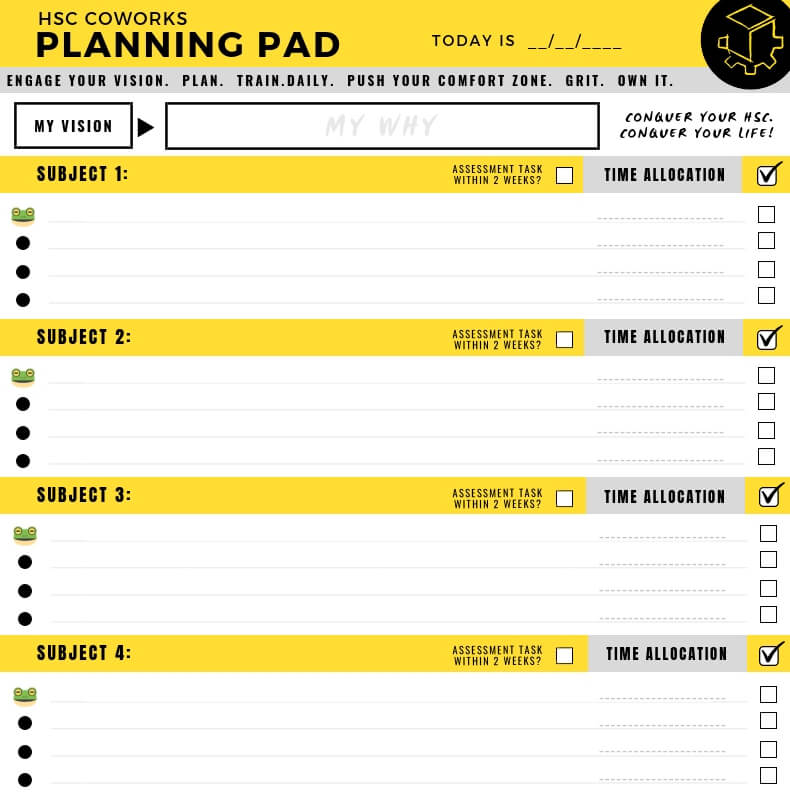
2. Use a planner: Simple tool for staying organised
Writing down your assignments, test dates, and deadlines helps you see the full picture of your week. A planner gives you control over your time instead of constantly reacting to what’s due next.
Whether it is a paper or digital planner, having an overview of what is coming up and what tasks are due when will support your ability to tackle tasks consistently and proactively.
3. Break big tasks into smaller steps
Large projects can feel overwhelming when you look at them as one big task. Breaking them into smaller, specific steps makes it easier to get started and track progress along the way.
For example, instead of “write history essay,” break it into: choose topic, gather sources, create outline, write introduction, draft body paragraphs, write conclusion, proofread, get feedback. Each step becomes a tangible task which you can tick off and see progress with.
Small tasks are less intimidating to start, ticking off tasks gives you a sense of making progress, and taking more proactive action avoids last-minute cramming and overwhelm.
4. BUILD YOUR SUBJECT ROADMAPS
Most students begin the HSC year by diving straight into content i.e attending class, writing notes, highlighting textbooks, making flashcards.
However, many students miss integrating this very important, but uncommon habit:
Studying the syllabus before they study the content.
This one shift will transform your entire HSC journey from reactive to proactive, and as we always remind our CoWorks students:
No one would climb a mountain without a map. Mount HSC is no different.
Read more about Why the Syllabus Is the Most Powerful (and Underused) Study Tool and How you Can Use it HERE.
5. Try spaced repetition: Better memory retention
Spaced repetition is a study strategy that involves revisiting information at increasing intervals over time. Instead of cramming before an exam, you spread out your recall training, which strengthens memory retention and makes recall faster and more reliable.
Neuroscience backs this up this idea that each time you revisit a concept, your brain strengthens the neural pathway associated with that memory. Better long term retention = less panic before exams.
See our article here on the Power of Spaced Repetition.
6. Test yourself regularly: Active recall builds deeper learning
Reading over your notes feels productive, but it’s not the most effective way to prepare for an exam room. Testing yourself by trying to recall information from memory strengthens the neural pathways that help you remember.
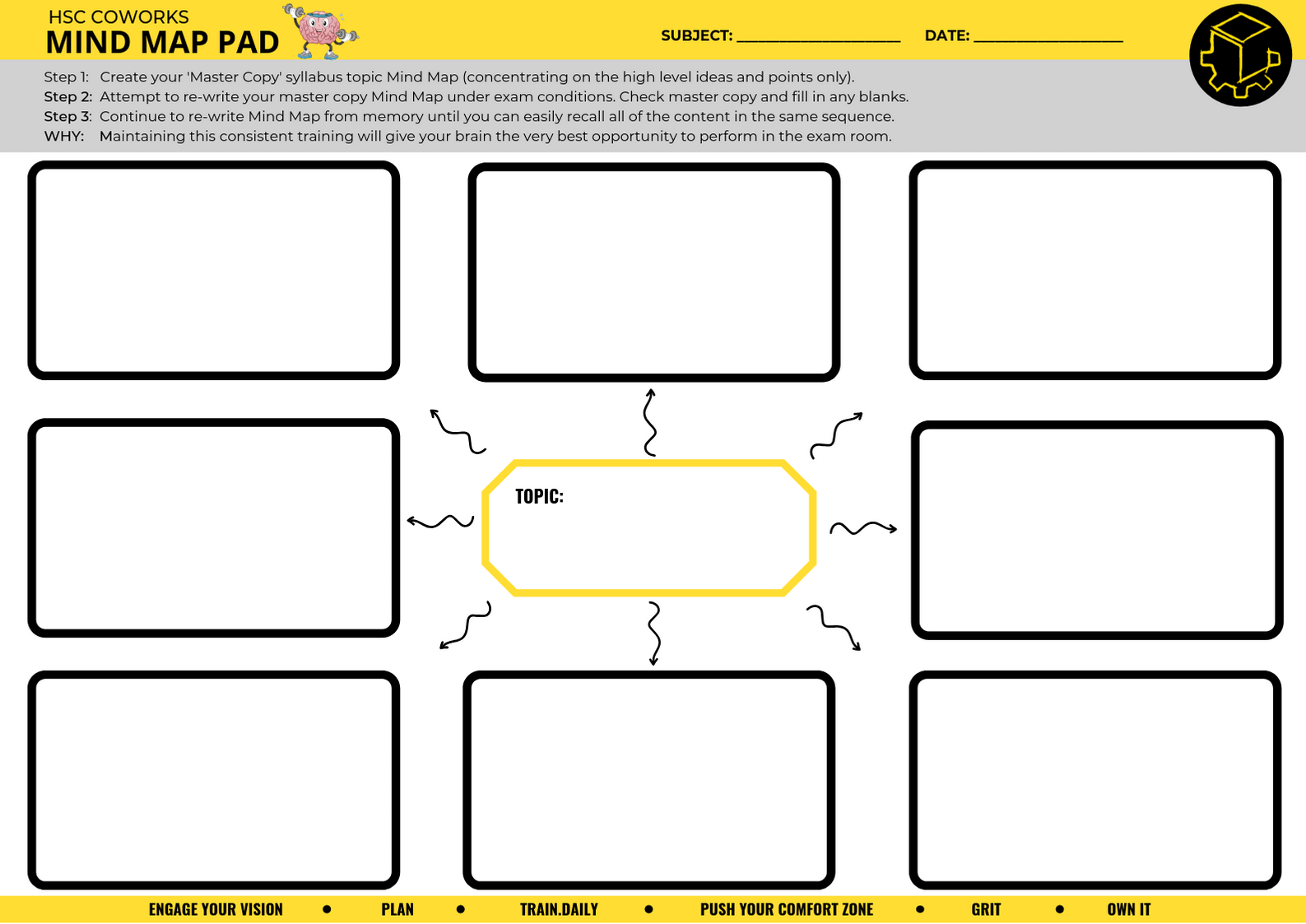
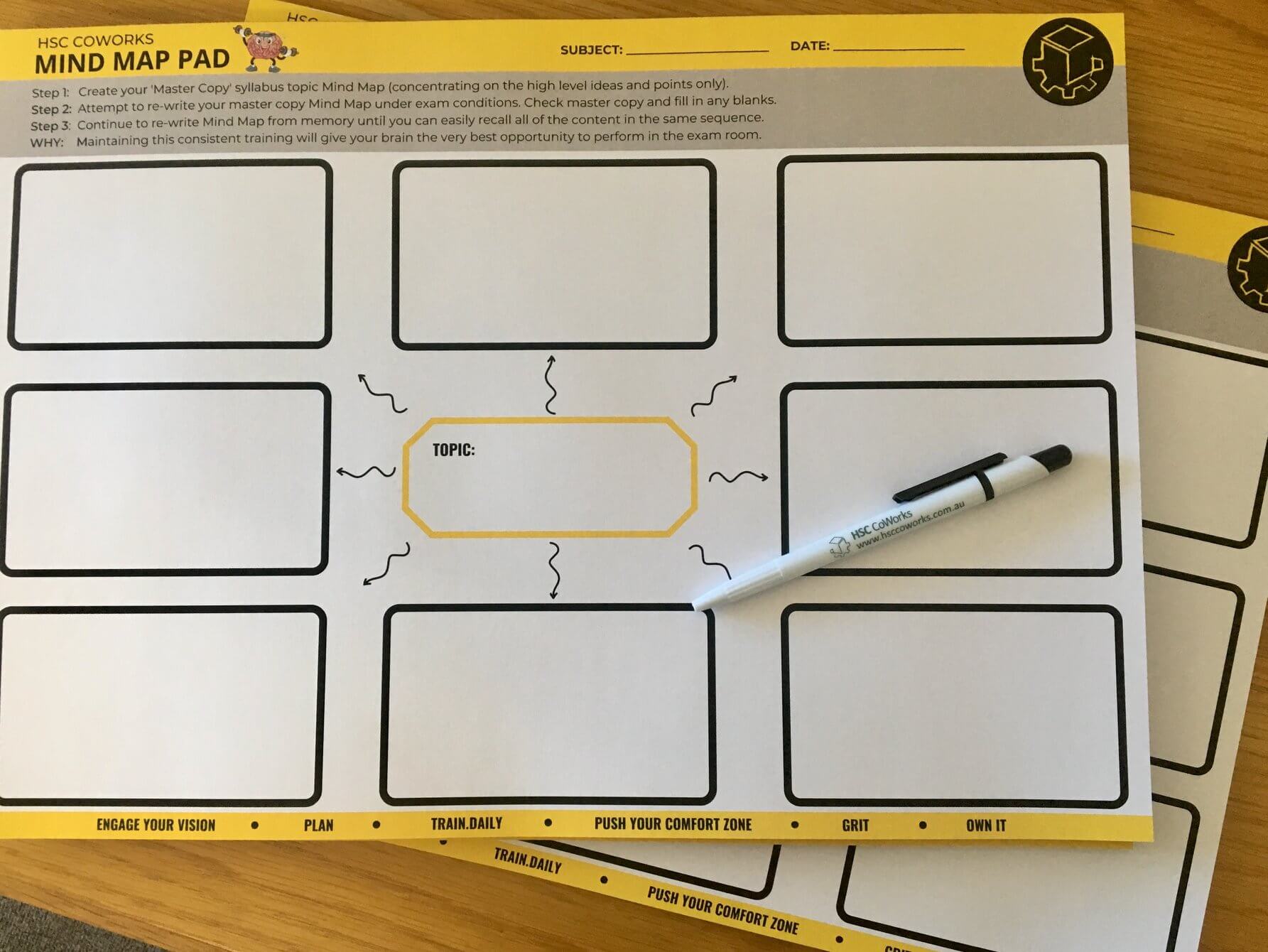
Close your notebook and write down everything you can remember about a topic in Mindmap format. Check what you got right and wrong, then focus your next study session on the gaps. HSC CoWorks incorporates this approach through our daily mindmap habit, flashcard game, practice questions and marker feedback.
Self-testing features
- Flashcards: Quiz yourself on key terms and concepts
- Practice questions: Apply your knowledge to exam-style problems
- Explain it out loud: Teaching someone else reveals what you really understand
7. Mix up your subjects
Studying the same subject for hours can lead to boredom and diminishing returns. Mixing different subjects or topics in one session helps your brain make connections and improves learning.
Try spending 45 minutes on Maths, then switching to English, then moving to a Science subject. This approach might feel harder at first, but research shows it leads to better long-term retention and transfer of skills.
Coming back to a subject later often brings new insights as well.

8. Create visual summaries
Your brain processes visual information differently from text. Creating mind maps, flowcharts, or diagrams can help you see relationships between concepts and remember information more easily.
Start with the central topic and branch out to related ideas (the main syllabus points). Use colours to group similar concepts and test yourself around your mindmap by turning it over and trying to re-create it from scratch.
By grouping related concepts and having a visual representation of ideas, you will have a much faster recall in the exam room.
9. Reflect and plan ahead
Setting aside 15-20 minutes on Sunday to review the past week and plan the next one keeps you organised and reduces next week’s stress. What did you accomplish, what didn’t get done, and what’s coming up.
What went well this week? What could I do differently? What are my priorities for the next seven days? This simple habit helps you stay proactive rather than reactive with your schoolwork.
10. Look after yourself 🙂
Your brain needs rest to consolidate memories and perform at its peak. Pulling all-nighters before exams actually hurts your ability to recall information when you need it most.
Regular exercise, adequate sleep (8-10 hours for teens), and breaks from screens all support better learning. These aren’t extras you fit in after studying, they are foundations that make your study time more effective.

Why HSC CoWorks is the best study skills support for HSC students
While study tips can help, many students benefit from structured support that combines academic tutoring with coaching on study habits, organisation and motivation. HSC CoWorks delivers both in a single program designed specifically for NSW high school students.
Ready to help your teen build the study skills they need for HSC success? Book a free 14-day trial and see how HSC CoWorks can support your family’s HSC journey.

Sarah Gardiner
HSC CoWorks
More from the Blog…

What to Do the Day Before an Exam: HSC Study Tips for the Final 24 Hours
You've spent months preparing for your HSC exams. Now, with just 24 hours to go, what's the best use of your time? Should you keep studying? Complete another practice paper? Memorise more content? Or put the books away and relax? The answer depends on how well you've...
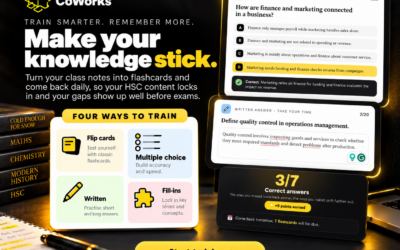
How HSC CoWorks Turns Daily Practice Into Exam-Day Confidence
The HSC is a year-long marathon of content. And as every student eventually discovers: cramming doesn’t work. Research on how memory works is clear. Without the right kind of practice, students forget most of what they study within days, which is why so many feel...
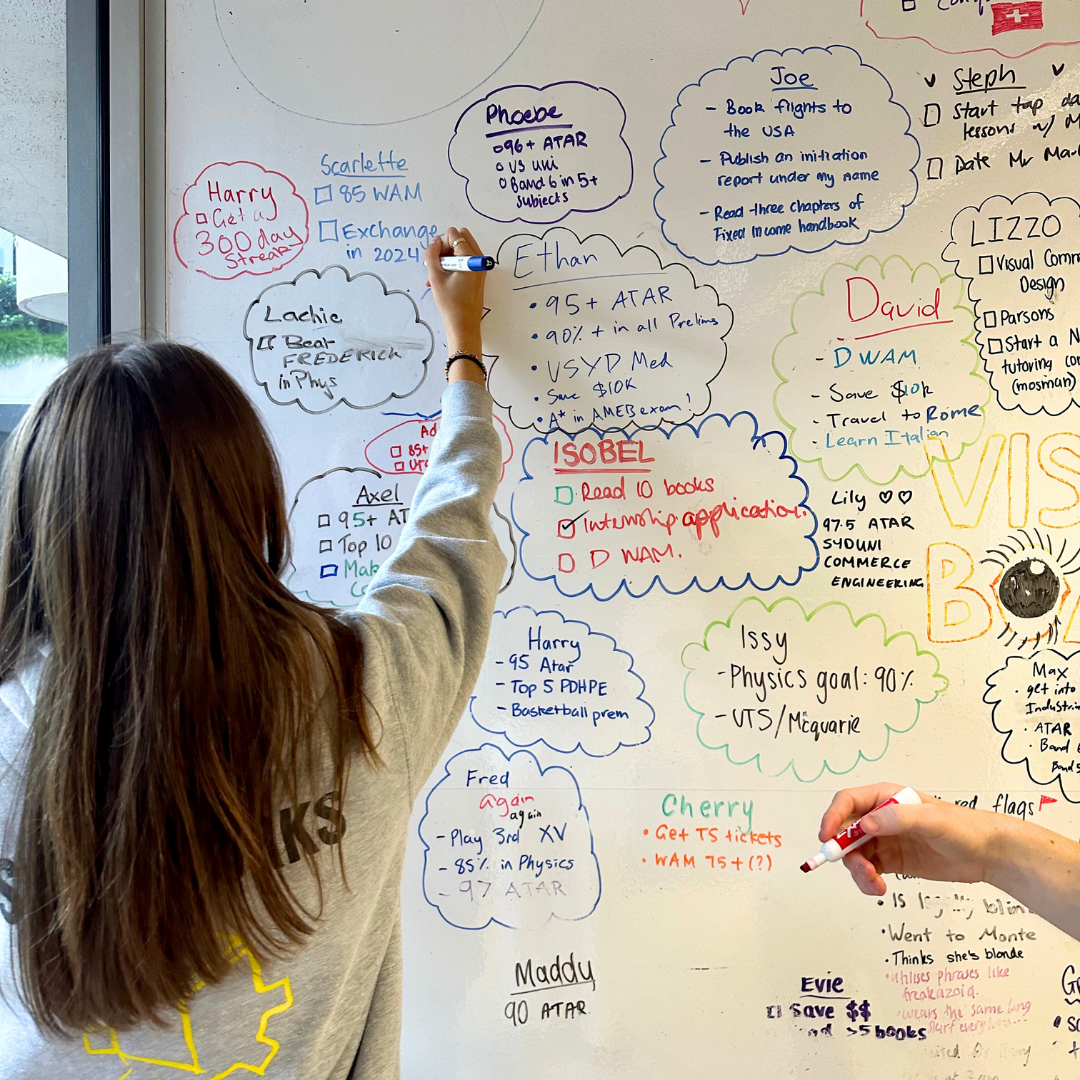

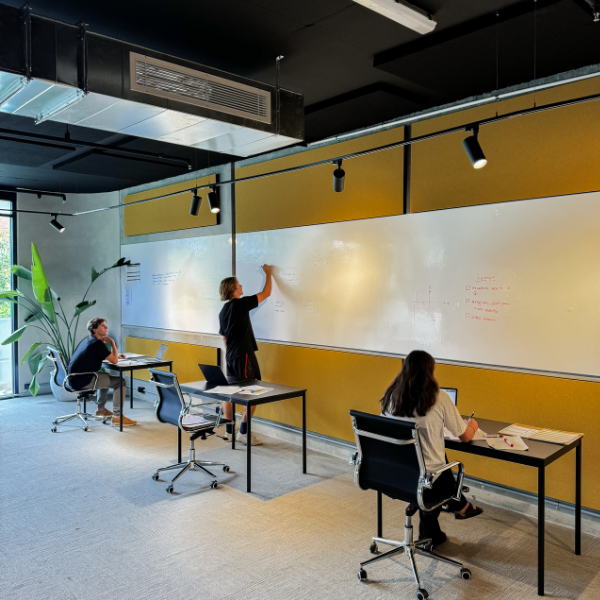

The HSC CoWorks program is designed to cultivate skills that extend far beyond the HSC, setting you on a trajectory for success in both your HSC and life after school. Develop critical thinking, time management, and resilience that lasts a lifetime.
We liken the challenge of the HSC to climbing a mountain, Mount HSC©, and through the consistent application of key behaviours all the way to the top of the mountain students will conquer their Mount HSC.