If your child is preparing for the HSC, you’ve likely noticed how much the workload of the HSC year demands. Managing multiple subjects, major works, deadlines, and keeping track of assessment schedules. All on top of the demands of being a teenager.
Executive function coaching helps students develop the skills needed to stay organised, plan ahead, and follow through on study commitments. HSC CoWorks supports students build these skills through our coaching programs, helping Year 11 and Year 12 students develop practical routines that work.
This guide walks you through what executive function coaching means, why it matters for HSC performance, and how you can support your child at home. You’ll find step-by-step routines for organisation, time management, and homework follow-through which are all tailored to the specific demands of the NSW HSC curriculum.
What Is Executive Function and Why Does It Matter for HSC Success?
Executive function refers to a set of mental skills that help you plan, organise, manage time, and stay focused on goals.
For HSC students, strong executive function skills directly impact academic performance. Your child needs to juggle essay deadlines, exam study, internal assessments, and extracurricular commitments. Without developed planning and prioritisation skills, even capable students can fall behind.
Executive function skills continue developing through adolescence. This means Year 11 and 12 students are still building these capabilities and targeted coaching can support that development.

what are the core skills a HSC student needs?
1. Planning and Prioritisation for Multiple Subjects
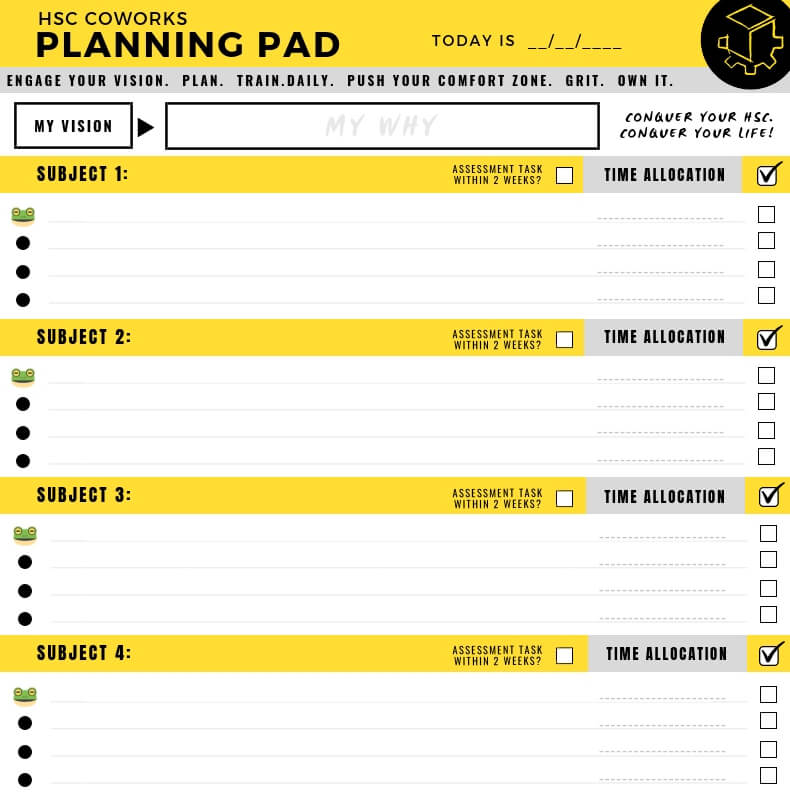
Planning involves setting goals and mapping out the steps to reach them. For HSC students, this means looking at assessment schedules, identifying what’s due when, and working backwards to create a specific study plan.
Prioritisation helps your child decide which tasks need attention first. Not every assignment carries the same weight and certain subjects will require more time. Ranking tasks by urgency and importance prevents last-minute cramming and missed deadlines.
At HSC CoWorks we call this “eating your frogs first” and is an idea borrowed from Brian Tracy. Identify your “frog task” for each subject and start there. This is the task which is important but probably something you’re also avoiding. If you start with your frog, all of the tasks that follow will feel much easier.
2. Organisation Skills for Keeping Track of Deadlines
Organisation goes beyond having a tidy desk and colour coded planner. It includes knowing where to find your notes, keeping digital files sorted, and maintaining a reliable system for tracking due dates.
A good organisation system reduces mental load. When your child doesn’t have to search for resources or wonder what’s due next, they can direct that energy toward actual studying.
3. Task Initiation and Getting Started on Assignments
Task initiation is the ability to begin a task without excessive delay. Many HSC students know what they need to do but find starting difficult. This might not be laziness and instead a genuine executive function challenge.
Breaking tasks into smaller, specific actions helps with initiation. “Study for English Assessment” feels vague and doesn’t give much of a clue where to start. “Review Module A notes for 25 minutes” or “Quote training for 10 minutes each day” gives your child a clear starting point.
4. Working Memory and Holding Information While Studying
Working memory lets your child hold information in mind while using it. During essay writing, for example, your child needs to remember the question, relevant quotes, and the argument structure simultaneously.
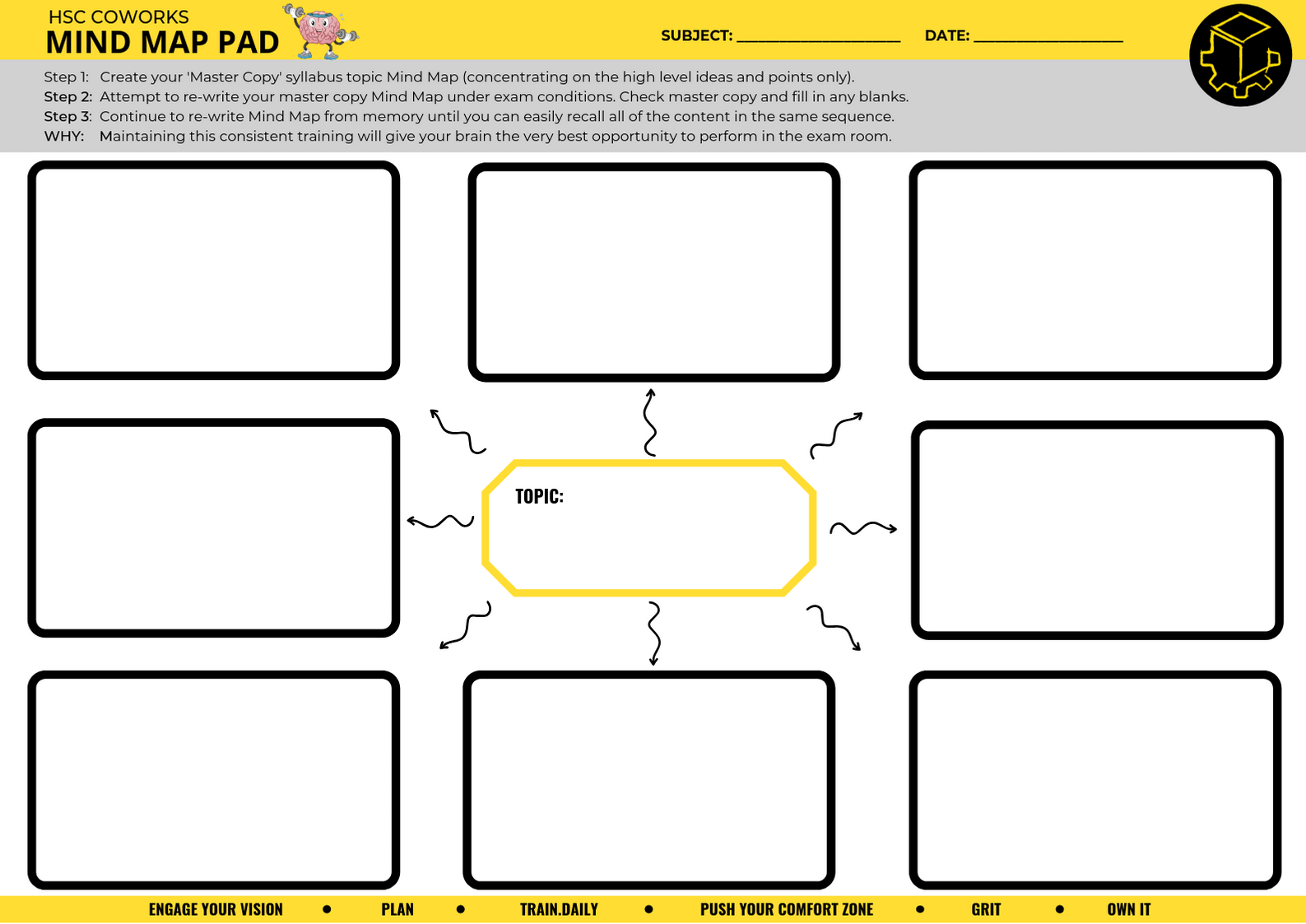
Strategies like note-taking, mind map exercises, and regular content review sessions support working memory by externalising information. Exams put a huge load on working memory where a student has to recall facts, manage time, understand questions, and plan answers all at once, and in a high pressure environment.
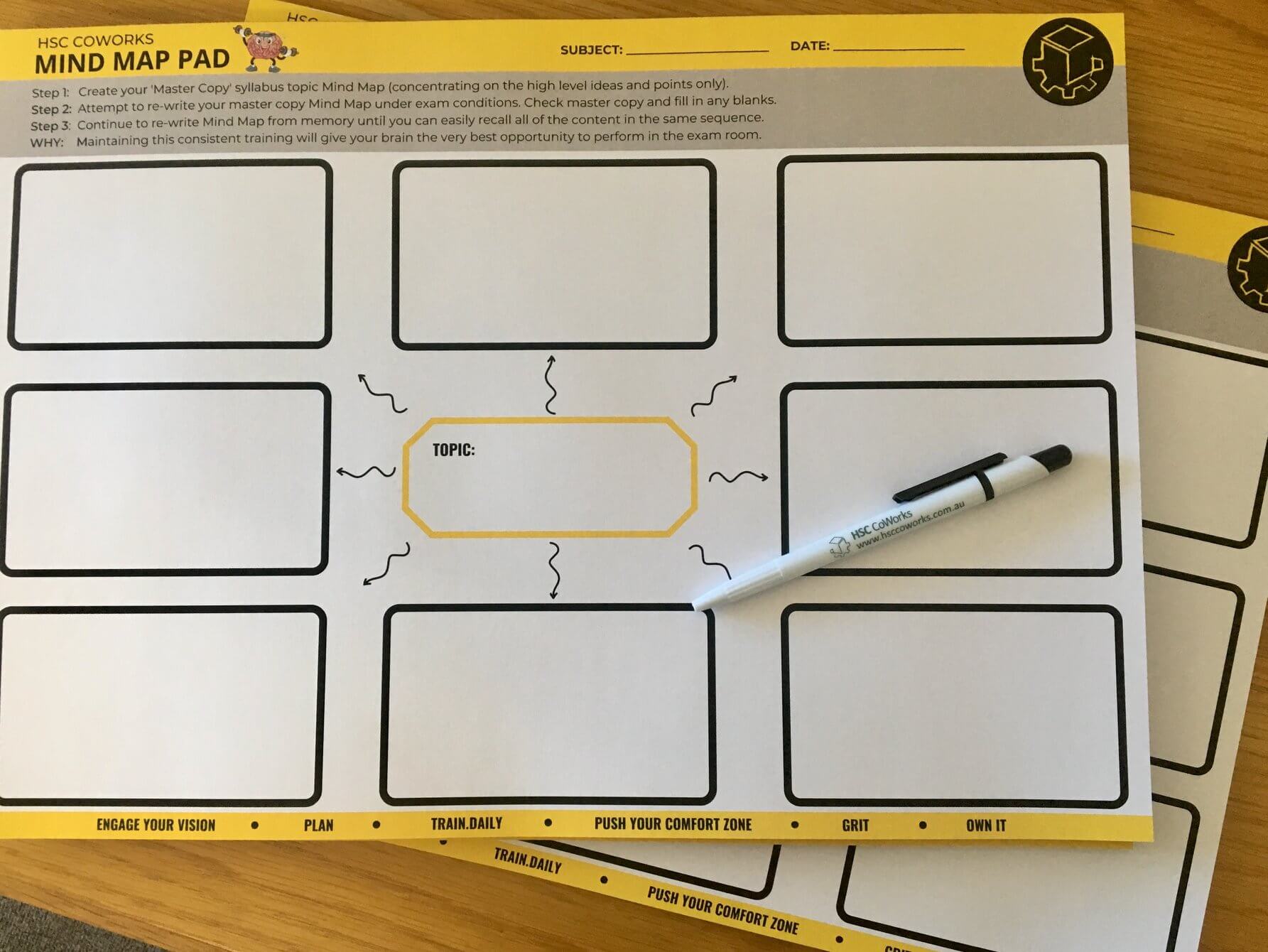
Externalising information helps your child build scaffolds outside the brain during study, so the brain isn’t trying to hold everything at once when they revise or walk into the exam.
5. Flexible Thinking When Plans Change
Flexible thinking helps students adapt when things don’t go according to plan. An illness, sporting commitments or family event can completely throw off a study schedule. Students with cognitive flexibility adjust their plans without spiralling.
Encourage your child to view setbacks as problems to solve rather than failures. Building this mindset takes practice but pays off during unpredictable moments. Life happens, obstacles will get in your way, however it is most important to embrace these setbacks and move forward rather than becoming stuck.
6. Emotional Regulation During High-Pressure Periods
The HSC naturally brings pressure. Students who can recognise and regulate their emotional responses study more effectively.
Deep breathing, meditation, breaks between study blocks, and positive self-talk all support emotional regulation. These aren’t soft skills, they directly impact your child’s ability to perform under exam conditions and other stressful situations that they will face across their lifetime.
Traditional tutoring focuses on subject content, explaining concepts, working through problems, and preparing for specific exams. Executive function and Performance coaching focuses on how your child approaches their studies overall.
Both have value, and they complement each other and that is why HSC CoWorks combines both approaches, integrating study skills training directly into their subject tutoring and coaching sessions.

Sarah Gardiner
HSC CoWorks
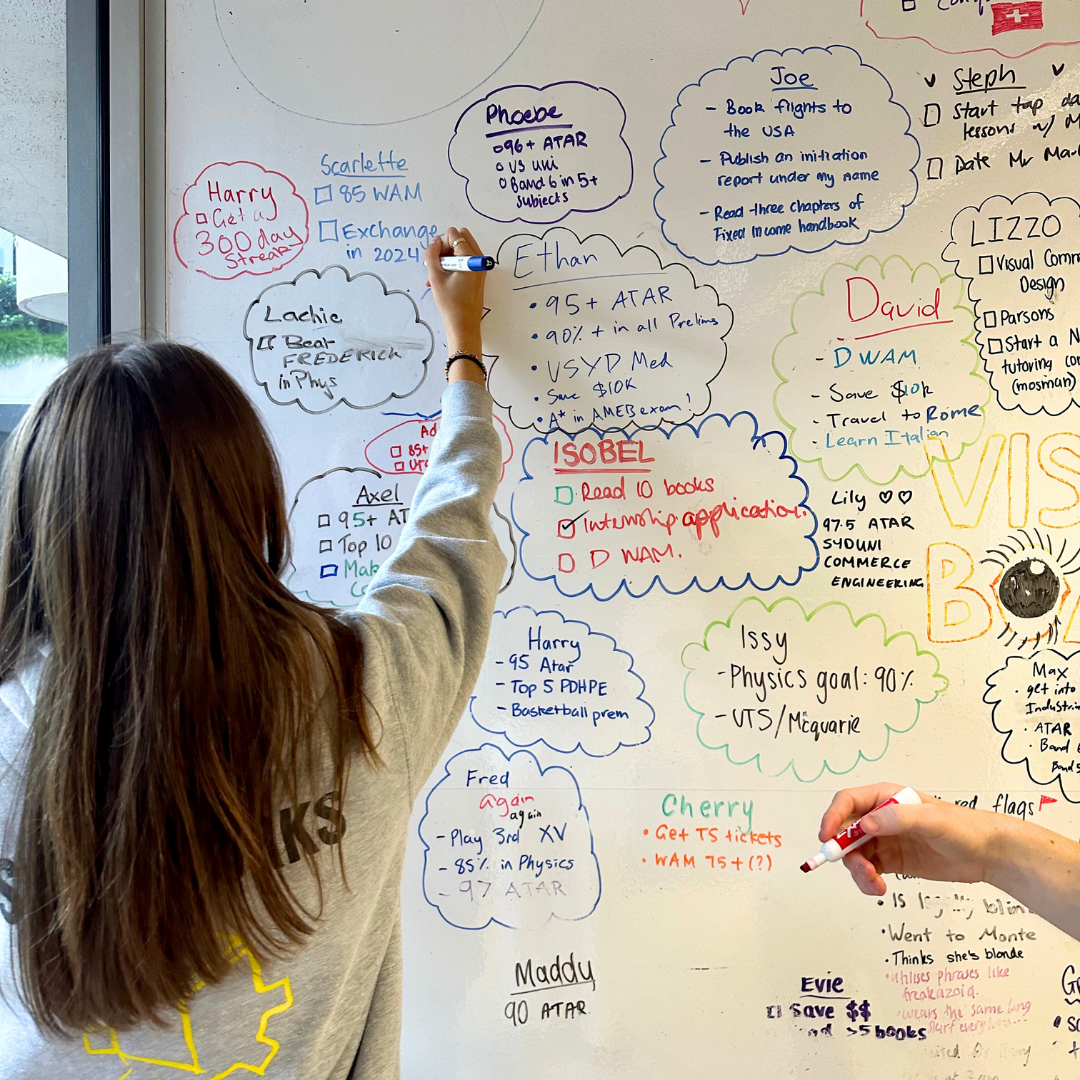

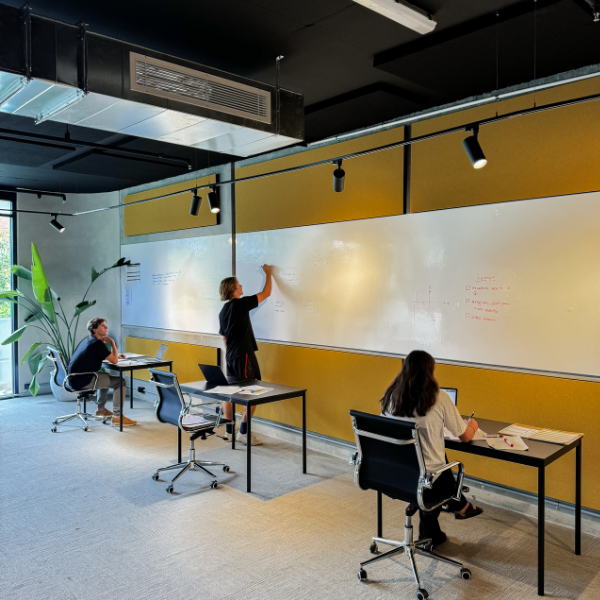

The HSC CoWorks program is designed to cultivate skills that extend far beyond the HSC, setting you on a trajectory for success in both your HSC and life after school. Develop critical thinking, time management, and resilience that lasts a lifetime.
We liken the challenge of the HSC to climbing a mountain, Mount HSC©, and through the consistent application of key behaviours all the way to the top of the mountain students will conquer their Mount HSC.