Staying consistent with HSC study is one of the biggest challenges Year 12 students face. The good news? Building a routine that works is completely achievable when you have the right system in place. HSC CoWorks helps students develop accountability habits that carry them through assessments and exams with confidence.
This guide walks you through a practical, step-by-step approach to creating study consistency. You’ll learn how to set up weekly check-ins, track your progress, and get back on track when motivation dips.
Quick Guide: How to Build HSC Study Consistency in 7 Steps
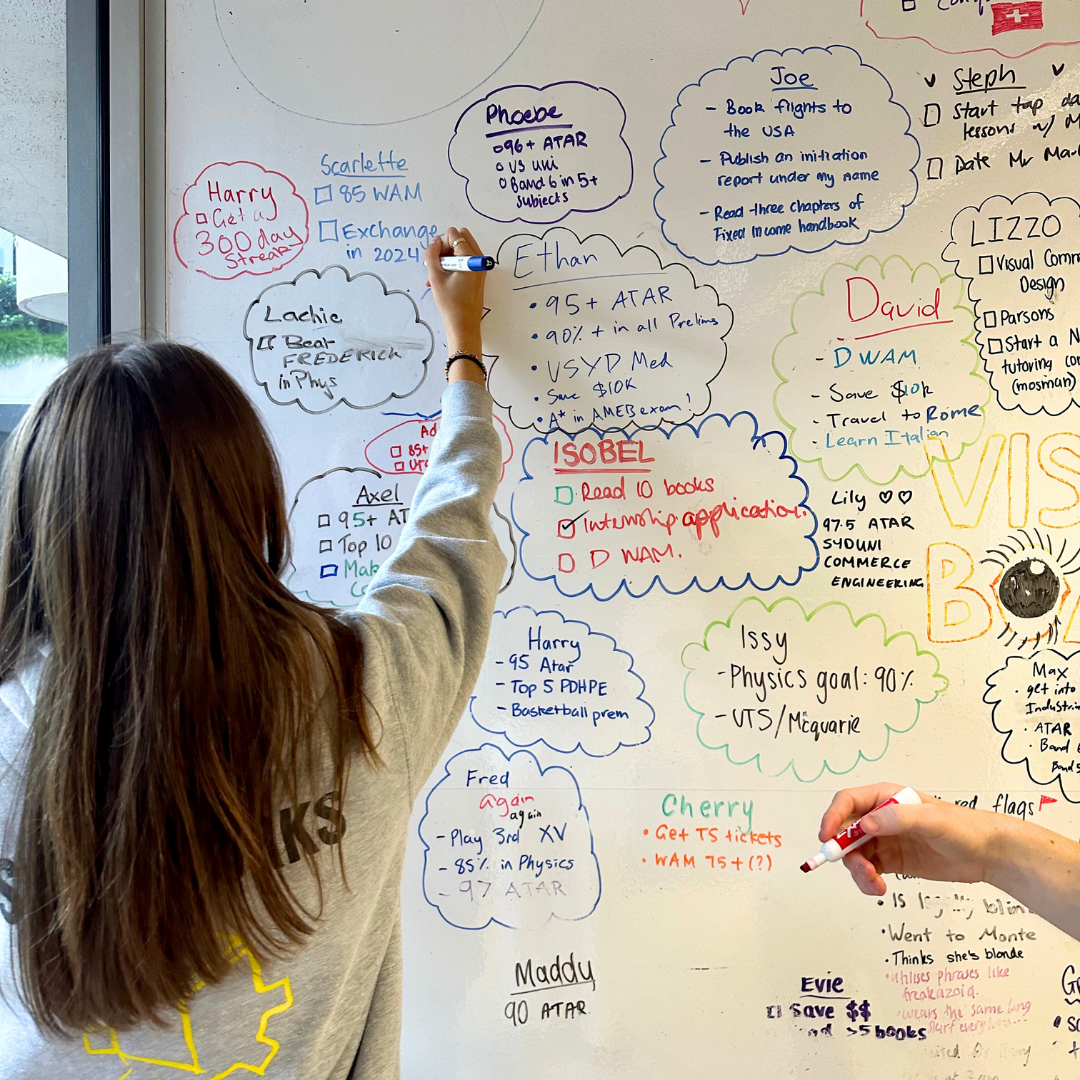
- Start with your Vision: What is your WHY?
- Set a clear weekly study goal: Define one specific outcome you want to achieve each week.
- Schedule fixed study blocks: Lock in protected time slots that become non-negotiable appointments.
- Use a simple habit tracker: Record your daily study sessions to see patterns and build momentum.
- Establish a weekly check-in routine: Review your progress with a coach.
- Break tasks into small wins: HSC CoWorks coaches recommend tackling bite-sized tasks to build confidence.
- Build in fast feedback loops: Get your work marked quickly so you know what to improve next.

1. Start with your Vision
The early momentum and motivation from the start of Year 12 might be waning, students have been through a few assessment cycles, rankings feel real, and the pressure is starting to be felt. Many students are exhausted from months of sustained focus whilst also managing part-time jobs, sport, family commitments, and the pressure to maintain some sense of a normal life! Motivation is probably at it’s lowest.
Even the best study plans or study intentions will quickly slip away without having a strong connetion to what you want to achieve, your goals after school, the feelings and rewards you seek. Every week, check in with your WHY.
2. Set a Clear Weekly Study Goal
Every productive week starts with clear goals. This isn’t about listing every subject or task you need to complete. Instead, pick a few meaningful outcomes that will move you forward.
For example, your weekly goal might be “Finish my Module B essay draft” or “Complete three practice papers for Chemistry.” Having a focus point helps you prioritise when things get busy.
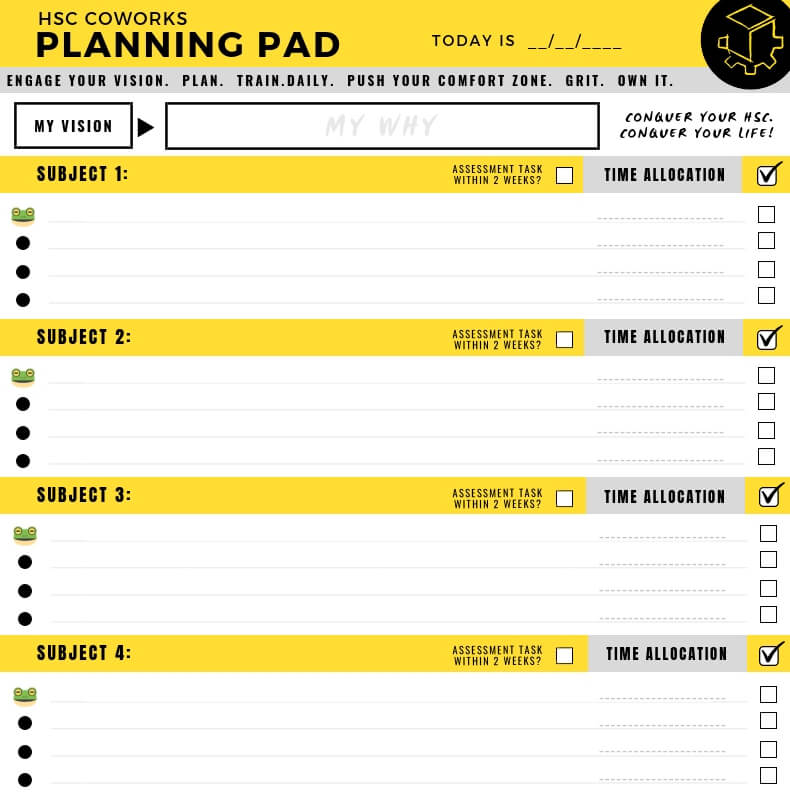
Write your goals somewhere visible, on your desk, on your Planning Pad, or as your phone wallpaper. This constant reminder keeps you connected to what matters most. When Sunday arrives, you’ll know exactly whether you hit your target… or did you get distracted on other tasks?
3. Schedule Fixed Study Blocks
Consistency comes from routine. Rather than studying “whenever you have time,” block out specific hours each day and treat them like appointments you can’t cancel.
Start by looking at your school timetable, extracurriculars, and downtime. Find realistic windows where you can dedicate focused attention to study. Morning sessions before school work well for some students. Others prefer afternoon or early evening blocks.
The key is making these blocks non-negotiable. During your study block, your focus belongs to HSC preparation. Keep your phone in another room, close unnecessary browser tabs, and tell your family you’re unavailable.
4. Use a Simple Habit Tracker
Tracking what you do each day creates powerful momentum and shows you, at a glance, whether you’re following through on your commitments.
You don’t need anything fancy. A HSC CoWorks Planning Pad works perfectly. Tick off the tasks each day or register your completed study blocks. After a few days, you’ll start seeing a streak, and you won’t want to break it.
Research has proven that distributing your study over time (rather than cramming) significantly improves retention. Your habit tracker helps you maintain this spaced approach.

5. Weekly Check-In (Accountability)
A weekly check-in is your chance to step back and review how things are going. This isn’t about judging yourself, it’s about gathering useful information for the week ahead.
Set aside 15 minutes in your weekly HSC CoWorks coaching session to work with a coach around your plan. What did I accomplish? Where did I fall short? What got in my way? How can I overcome this next week?
Going through the HSC alone is tough. Having a Coach who checks in on your progress and helps you move forward makes a real difference.
6. Break Tasks Into Small Wins
Big tasks like “Study for trials” can feel paralysing. Your brain sees the mountain and wants to avoid it entirely. The solution? Break everything into smaller, manageable pieces.
Instead of “Study for trials,” try “Review Module A quotes for 25 minutes.” Instead of “Catch up on Maths,” try “Complete 20 minutes of practice questions on the portal” These smaller tasks feel achievable, and completing them gives you a genuine sense of progress.
Each small win builds confidence and keeps your momentum going. Over time, these bite-sized efforts add up to serious results.
7. Build in Fast Feedback Loops
One of the biggest reasons students lose motivation is not knowing if they’re improving. When you complete practice essays or exam questions, you need timely feedback to understand what’s working and what needs adjustment.
Submit practice work regularly to HSC CoWorks Markers. They will provide you with specific comments on where you can improve. The faster you receive feedback, the faster you can apply it to your next attempt.
This cycle of practice, feedback, and improvement is what separates students who plateau from students who keep growing. Make feedback a regular part of your weekly rhythm.

Sarah Gardiner
HSC CoWorks
More from the Blog…

Study Skills Mistakes HSC Parents Can Look Out For
As a parent, it can be difficult to know whether your teenager is on track for the HSC. You might see them sitting at their desk for hours, writing notes or telling you they have “nothing due this week”. But what does effective HSC preparation actually look like? At...

2 Weeks Until Year 11 Final Exams: 4 Steps to Exam Prep Success
There are just a few weeks until Year 11 final exams begin and that might feel like plenty of time, but the final weeks before exams disappear quickly. Between school, assignments, sport, work and everything else going on, it’s easy to keep telling yourself you’ll...


The HSC CoWorks program is designed to cultivate skills that extend far beyond the HSC, setting you on a trajectory for success in both your HSC and life after school. Develop critical thinking, time management, and resilience that lasts a lifetime.
We liken the challenge of the HSC to climbing a mountain, Mount HSC©, and through the consistent application of key behaviours all the way to the top of the mountain students will conquer their Mount HSC.