For decades, the challenge for HSC students was getting access to information. Waiting for the teacher to deliver the content in class, utilising text books for further resource, and don’t forget those trusty encyclopaedias!
Then the internet arrived and information became free. Now AI has gone a big leap further where it doesn’t just deliver information, it delivers polished, ready to use ideas in seconds.
Great! some might think. What’s wrong with that!?
Well, what’s wrong is that this has quietly created a new problem and one that the Deloitte’s 2025 Global Human Capital Trends report is sounding the alarm on. This generation is leaving school with more content at their fingertips than any before it, but with a lower ability to do the thinking around that content.
Whether a student rote-learns the syllabus, memorises essays and hopes they fit the question or asks AI to generate ideas, the cost is the same.
- Critical thinking
- Analysis
- The ability to struggle with a difficult concept, brainstorm with another human, defend a position, change your mind, work through a problem with a team
- The confidence to push back on ideas, think under pressure.
These are muscles. They grow when you use them. AI does not work these muscles.
So what does this mean for our kids?
Deloitte’s findings put numbers on what employers are already seeing:
- Two-thirds (66%) of managers and executives say recent hires are not fully prepared, and a lack of experience is their most common failing.
- Nearly three-quarters (74%) of workers, managers and executives say it is very, or critically, important to prioritise human capabilities.

- Leaders are being asked to balance “the stability that workers crave and the agility that organisations need.”
In other words: a great HSC result and Uni degree might get you into the room.
What keeps you there is your ability to think, adapt, collaborate and keep learning.
SO HOW CAN STUDENTS ADAPT TO LEARNING IN AN AI WORLD?
HSC CoWorks recognised decades ago that students didn’t need more information. They needed support building their ‘muscles’ around critical thinking, analysis, the ability to struggle with a difficult concept, brainstorm with another human being, defend a position, change your mind, work through a problem with a team, push back on ideas and think under pressure.
So in this regard nothing has changed.
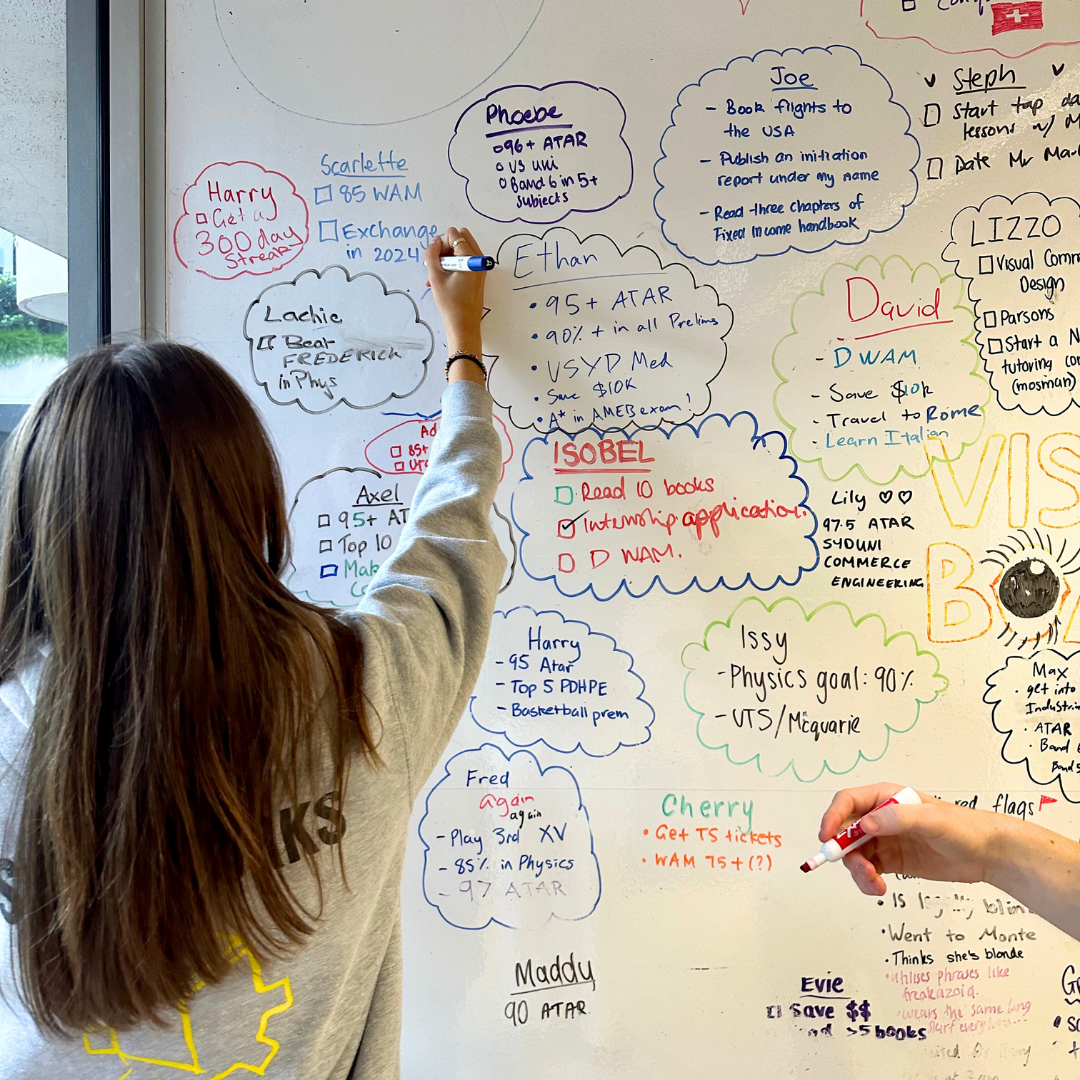
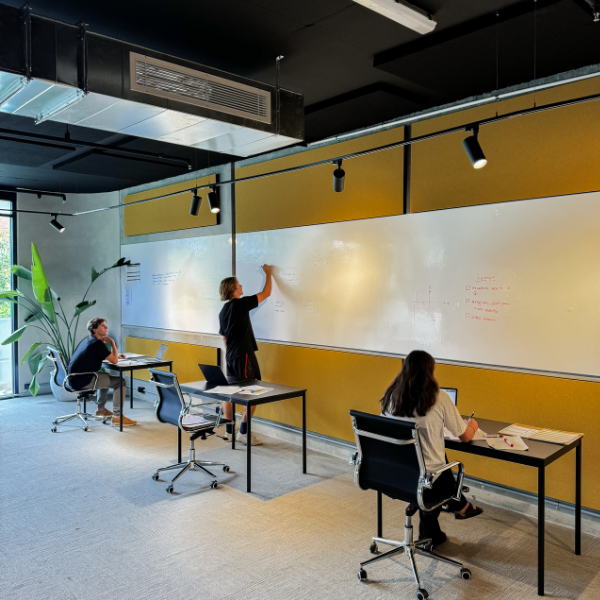
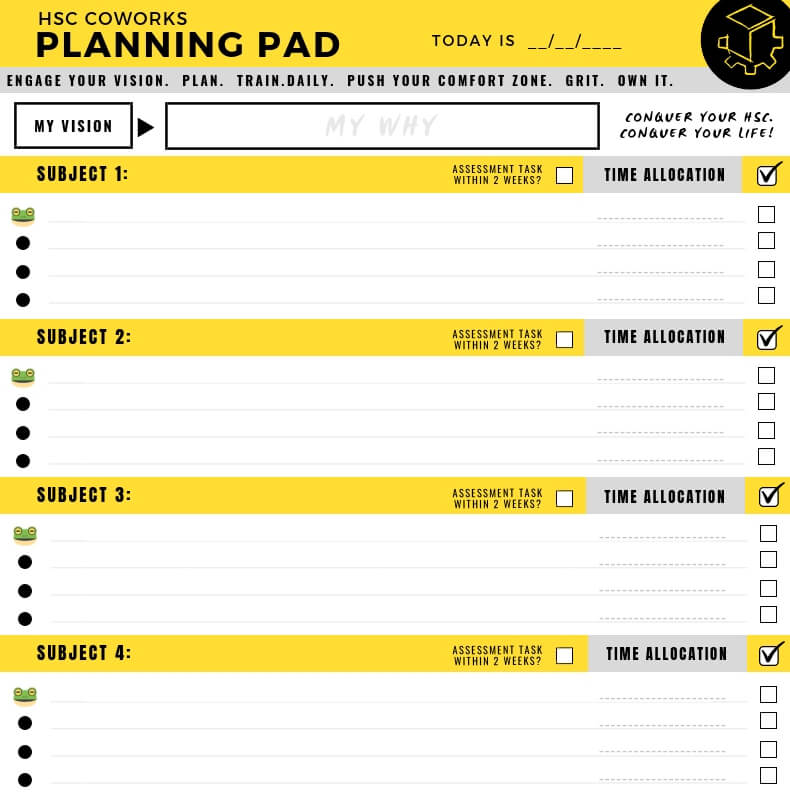
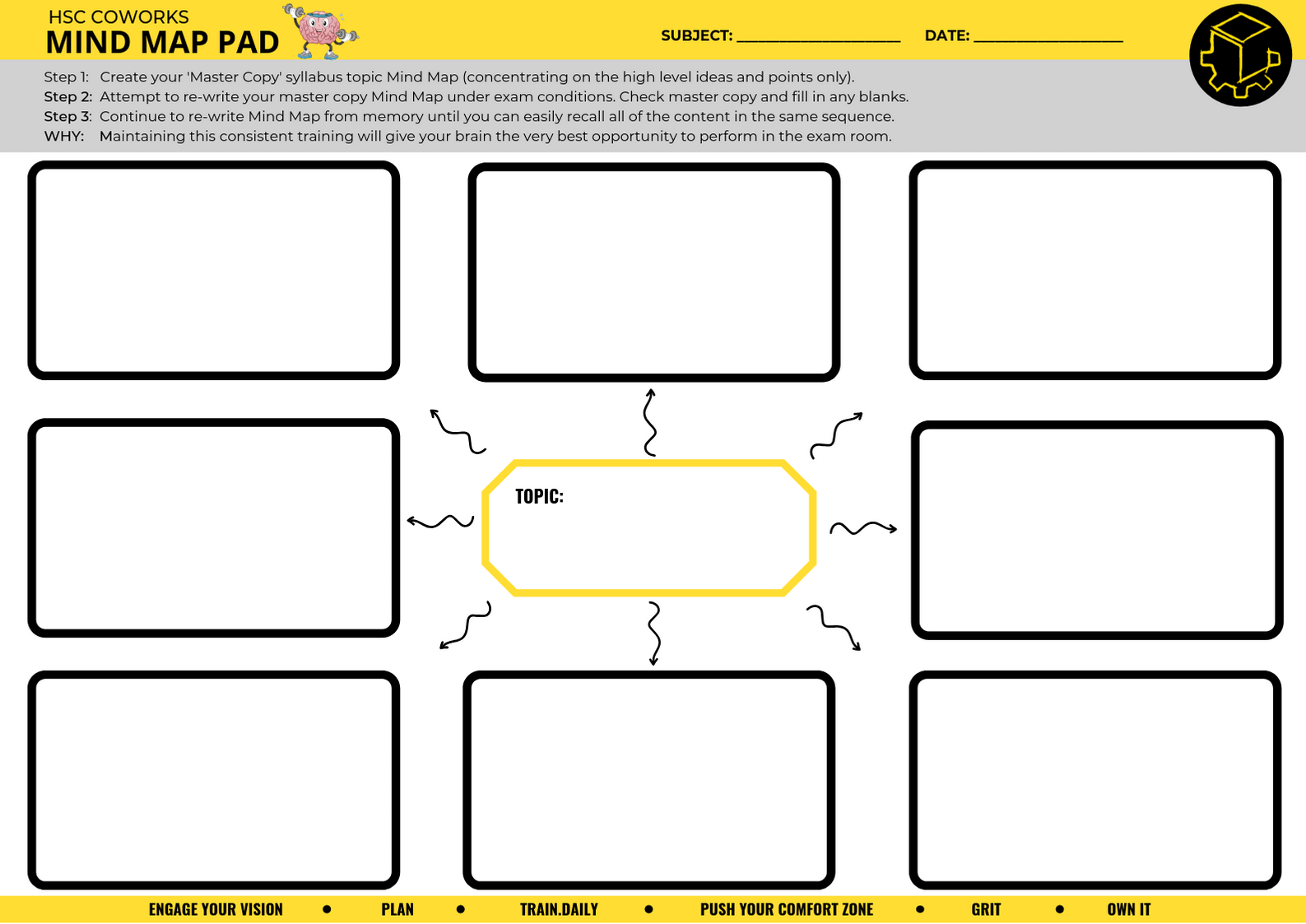
In every CoWorks session, students will continue to plan responses with their coach, talk through tricky questions, engage with the syllabus and defend their reasoning. They aren’t handed answers. They’re asked, “What do you actually think? Why? What’s the counter-argument? What will you do next? How can you find a solution to that?”
We also encourage students to have a go, make mistakes and learn how to pick themselves up when the results or feedback are not what they were expecting (Key Behaviour #5 Grit). Deloitte calls this “stagility.” We just call it being ready for Mount HSC, Mount University and Mount Life!
A student who memorises every page of the syllabus or a student who outsources an essay plan to AI can end up in the same place: with content, but without capacity. The HSC year is one of the last chances teenagers have to build that capacity before the workforce starts demanding it.
When students engage fully with CoWorks, they walk away with much more than an ATAR.

Sarah Gardiner
Head of Operations & Growth (and parent to three kids learning in the AI World!)

The HSC CoWorks program is designed to cultivate skills that extend far beyond the HSC, setting you on a trajectory for success in both your HSC and life after school. Develop critical thinking, time management, and resilience that lasts a lifetime.
We liken the challenge of the HSC to climbing a mountain, Mount HSC©, and through the consistent application of key behaviours all the way to the top of the mountain students will conquer their Mount HSC.