The ‘post-trials slump’ is real for the vast majority of HSC students. You have covered all the content, assessment tasks are done, the countdown to graduation is on, the weather is heating up, 18th birthday events every weekend and 50% of your ATAR is still up for grabs.
While it’s unlikely a student will be producing their maximum output in the period between Trial Exams and the HSC it is critical that students use this period effectively to ensure that the final 3 weeks of preparation are the best 3 weeks of their HSC campaign.
Maintaining some momentum during this period to ‘stay in the game’ is achievable and important for all students so they are developing their ‘grit’ towards staying on task, which is what will be required for University and beyond.
Here are 8 easy ways to stay in the game when you don’t want to study.
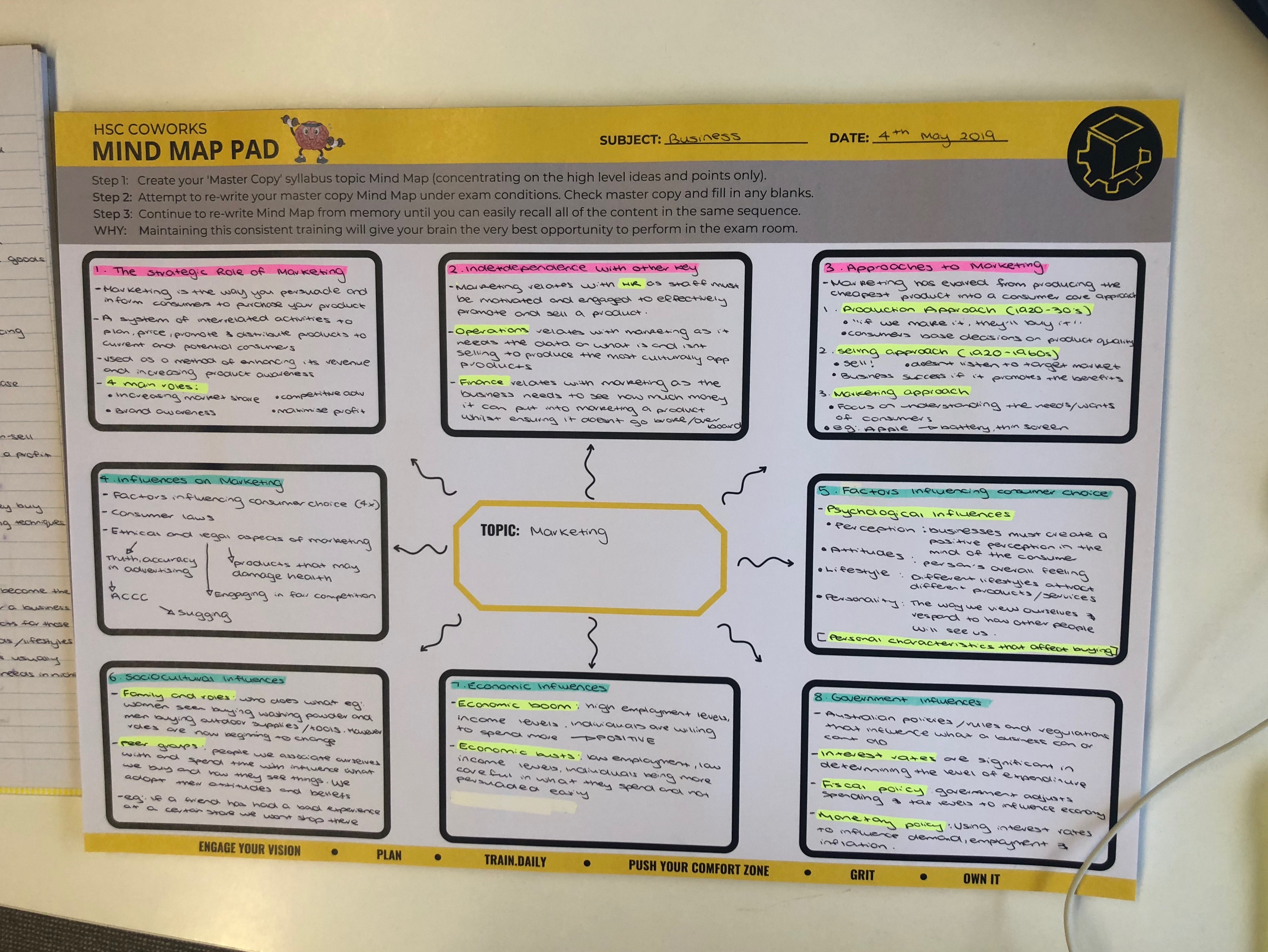
1) Mind Maps
What would you rather do? A syllabus mind map or a practice essay? The answer is easy… the mind map of course. By training with mind maps students will be keeping the neural pathways and connections fired up and ready for the moment that the motivation is there. 3 or 4 mind maps per day will only take 20 – 30 minutes and everyone has 20 – 30 minutes per day.
2) Type up your Trial Exam Essays and submit for feedback
The critical thinking process of typing up some of your essays from the Trial Exams is a highly valuable self-reflection exercise. By making the changes that you would if you could re-do the essay will be hardwiring these improvements for your actual HSC exam.
3) Challenge Questions in the Challenge Feed
Short and sharp exam style questions take from between 2 and 10 minutes. Complete 3 or 4 or these each day to stay sharp around the possible questions you might get in your final HSC exam. Earn bonus marking credits with your Challenge Question attempts to use in the final stages of your HSC. In the last 30 days we have had 2703 Challenge Questions submitted for marking so this is clearly remains a popular training tool for our students.
4) Play the ‘Quote Game’ in the portal
Do you feel more confident writing a practice essay when you know your quotes? Don’t want to write an essay now? Then keep the quotes hardwired so you can easily move into writing practice essays when you need to.
Our Quote Game is an effective way to memorise your specific quotes. A timer ticks down while you fill in missing words from the quotes you’ve entered. 10 minutes of Quote training in the portal every single day will earn bonus marking credits to be used in the weeks leading into the final HSC exams.
Now available for Modern History, Drama & Extension English.
5) Watch your English video lessons with Fergus
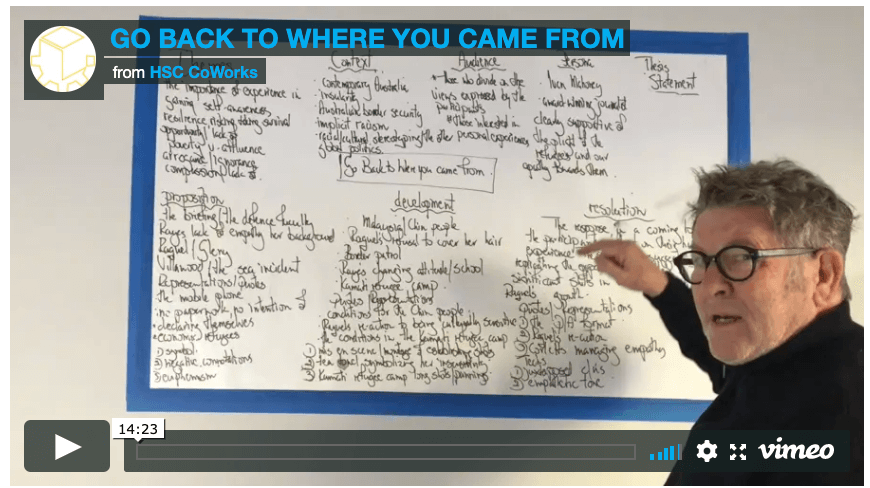
Grap a bag of popcorn and watch Ferg’s video lessons for each of your modules including Section One of the English Paper One exam (reading task comprehension). Each video goes from between 7 and 20 minutes and overviews the Module, examining how the text works within it with Fergus going through his Essay Building Template.
6) Start and Finish your EBTs for all English Modules
Following on from suggestion #5, build and submit an Essay Building Template for any module you haven’t already done one for. A complete Essay Building Template will put you in a much stronger position than without one. If you didn’t perform as well as you would have liked in any of your English essays then the Essay Building Template is the tool for you.
7) Get expert one on one support from the comfort of home
To support you with all of the above suggestions and anything else you might need support with join us on ‘CoWorks LIVE Q&A’ on Mondays, Tuesdays and Wednesdays from 5pm to 8pm and speak with one of our expert coaches and teachers to cover anything from getting support with your Essay Building Template, going through some challenging questions, going through your Trial Exam paper, planning to a discussion about how to stay motivated.

8) Zoom a teacher
Book a zoom call with Fergus, Tim, Adrian to go over a particular module, topic, essay, marking or specific question with one of our teachers. Fergus covers all levels of English, Modern History and History Extension. Tim covers all levels of English. Adrian covers all the sciences. These one on one coaching conversations on Zoom ensure progress is made without any distractions or concerns about asking questions with others overhearing.
Before students know it they will be 14 days out from the biggest exams of their HSC year. Making progress on the above study and training options will ensure that students are ready for the big push to the top of Mount HSC required once graduation and the associated excitement is out of the way!