HSC 2027 has officially begun and with a new HSC English syllabus comes a fresh opportunity to build the skills, confidence and strategies needed to achieve a Band 6. After working with thousands of HSC students, one thing is clear:
Band 6 essays aren’t written by the smartest students. They’re written by students who know how to turn their knowledge into a strong, well-structured argument.
Too many students approach English the wrong way. They highlight, take notes, memorise quotes, re-read their texts… and then sit down to write an essay and freeze. Not because they don’t know enough. But because they don’t know how to use what they know.
The good news is that essay writing is a skill, and like any skill, it can be developed through a proven system, practice and feedback.
At HSC CoWorks, we’ve spent over 30 years helping students develop these skills through our Essay Building Template (EBT) which is a structured approach to planning, writing and refining HSC English essays.
What’s Changing for HSC English in 2027?
HSC 2027 will be the first to sit HSC English examinations under the new syllabus. While texts are new, and some syllabus content and terminology have changed, the fundamental skills required for high-performing essays remain essential:
-
Developing a clear, insightful argument.
-
Analysing how language, form and structure create meaning.
-
Selecting relevant textual evidence.
-
Demonstrating a strong understanding of the text and syllabus.
-
Responding directly to the question.

The syllabus may have changed, but strong essay-writing skills remain as important as ever.
So how do students develop this skill??
Step 1: Start With a System, Not Just Notes
Think of essay writing like baking a cake.
- Notes = Ingredients
- Essay-writing system = Recipe
Without a recipe, even the best ingredients won’t produce a great cake! The same applies to HSC English.
Many students spend hours gathering notes, quotes and ideas but struggle to organise them into a compelling essay.
Introducing the HSC CoWorks Essay Building Template (EBT)
The Essay Building Template (EBT) is a structured framework that helps students:
- Organise their ideas into a clear argument.
- Connect their knowledge to syllabus requirements.
- Develop a strong thesis.
- Select and analyse relevant textual evidence.
- Build a logical essay structure.
- Adapt their ideas to different HSC questions.
The EBT encourages students to condense their knowledge, think critically and focus on what matters.
It’s not about how much you know. It’s about how effectively you can use what you know.
Step 2: Know What the Syllabus Is Asking You to Do
If you want to write a Band 6 essay, start where the markers start: the syllabus and marking criteria.
One of the biggest mistakes students make is knowing their prescribed text well but failing to connect their analysis to what the question is actually assessing.
Each English focus area has specific concepts and skills that students need to demonstrate. For example, in Texts and Human Experiences, students need to explore how texts represent human experiences and how composers use language to shape meaning. This means your essay shouldn’t simply describe what happens in a text. It should analyse the ideas, perspectives and experiences being represented and explain how the composer constructs them.
Pay Attention to the Key Words in the Question
The verbs used in HSC questions tell you what kind of response is required.
- Analyse: Examine how meaning is created.
- Explain: Demonstrate how or why something occurs.
- Evaluate: Make a judgement about significance or effectiveness.
- Compare: Explore similarities and differences and explain their significance.
A great essay doesn’t just demonstrate knowledge of a text. It answers the specific question being asked.
Step 3: Build a Strong Thesis and Essay Structure
Your thesis is the central argument of your essay. It should do more than describe the text. It should demonstrate an interpretation and provide direction for your analysis.
Weak thesis:
“The text shows human experiences through different techniques.”

Stronger thesis:
“Through fragmented narrative structure and recurring symbolism, the composer represents collective trauma as both isolating and unifying, revealing how shared suffering shapes human identity.”
The stronger thesis makes a clear argument, identifies how meaning is constructed and creates opportunities for deeper analysis.
Structure Your Essay Using the EBT
At HSC CoWorks, we encourage students to consider five key elements when planning an introduction:
-
Theme: What central idea are you exploring?
-
Context: What circumstances shape the text?
-
Audience: Who is the text addressing?
-
Purpose: What is the composer communicating?
-
Thesis: What is your overall argument?
These are planning prompts, not a rigid formula. Your introduction should establish a clear argument and respond directly to the question.
For body paragraphs, one effective approach is to follow the development of ideas throughout the text:
Proposition (Beginning): What ideas or tensions are introduced?
Development (Middle): How do these ideas evolve or become more complex?
Resolution (End): What final message or understanding emerges?
This approach works particularly well for narrative texts, although other questions may benefit from a thematic or conceptual structure. The goal isn’t to retell the story. It’s to demonstrate how ideas develop and why they matter.
Every strong body paragraph should:
- Establish an argument.
- Introduce relevant evidence.
- Analyse how meaning is created.
- Explain the significance of that analysis.
- Connect back to the question.
Step 4: Be Selective With Evidence and Focus on Analysis
High-performing students use evidence strategically, not excessively.
Before selecting a quote, ask yourself:
- Does it support my thesis?
- Can I use it to answer different questions?
- Does it allow me to analyse language, form or structure?
- Does it connect to the syllabus concepts?
A smaller number of flexible, well-understood quotes is often more valuable than memorising dozens of examples.
Analysis Is What Makes the Difference
Consider the difference between describing and analysing below:
Description:
“The protagonist experiences isolation and struggles to connect with others.”
Analysis:
“Through recurring imagery of physical separation and fragmented dialogue, the composer constructs isolation as both an emotional and social experience, highlighting the tension between an individual’s desire for belonging and their inability to connect.”
The second example identifies how meaning is created and explains why it matters. Band 6 writing is about the quality of your thinking and analysis, not how many quotes or sophisticated words you can squeeze into an essay.
Step 5: Prepare to Adapt, Not Memorise
One of the biggest traps HSC students fall into is memorising an entire essay and hoping the exam question will suit it. Sometimes it does, but often it doesn’t and this is where marks are lost.
The better approach is to prepare a flexible essay framework built around:
- A strong understanding of the syllabus.
- Clear arguments and key concepts.
- Versatile textual evidence.
- An adaptable thesis.
- A logical essay structure.
This is where the Essay Building Template becomes particularly valuable. Instead of starting from scratch when you see an unfamiliar question, you already have a framework for organising and applying your knowledge.
Step 6: Stop Taking Notes. Start Writing Essays.
Here’s something we tell HSC CoWorks students regularly:
You don’t get marks for how many pages of pretty and well organised notes you’ve written. You get marks for what you can demonstrate in your writing.
Yet so many students spend the majority of their English preparation highlighting, making notes and organising folders.
If you want to improve your writing, you need to write and get regular feedback on your writing.
- Building essay plans using your EBT.
- Practicing introductions and body paragraphs.
- Writing complete essays.
- Getting specific feedback.
- Refining weaker sections.
- Practicing under timed conditions.
You don’t need to write a full essay every time you study English. Even 20 minutes spent improving a thesis or body paragraph can make a difference.
Feedback Is Essential!! Practice alone isn’t enough if you’re repeating the same mistakes.
Effective feedback helps students identify where their arguments lack clarity, where analysis becomes description and how they can strengthen their writing.
Write. Get feedback. Refine. Repeat.
Final Advice From HSC CoWorks Founder Fergus
After working with thousands of HSC students, we’ve seen the same pattern time and time again. Students who struggle with English often believe they need more notes, more quotes or more time studying their texts. But what they frequently need is a better system for turning their knowledge into an effective essay.
The Essay Building Template provides the structure.
Practice develops the skill.
Feedback drives improvement.
For HSC 2027, there’s no better time to start than now. At HSC CoWorks, we help students develop the skills, strategies and confidence needed to maximise their HSC English performance.
Through structured essay planning, expert coaching, personalised feedback and exam-style practice, students learn how to turn their knowledge into stronger written responses.
And with the new HSC English syllabus for 2027 now underway, getting started early can make all the difference.
More from the Blog…

Legal Studies Marker Reveals What Actually Separates Band 6 Answers
Achieving Band 6 legal studies results are not about knowing more content, it's about using what you know with precision and answering the question correctly. HSC marker and legal studies teacher Sarah reveals the small shifts that can lift a response a whole band,...

Study Skills Mistakes HSC Parents Can Look Out For
As a parent, it can be difficult to know whether your teenager is on track for the HSC. You might see them sitting at their desk for hours, writing notes or telling you they have “nothing due this week”. But what does effective HSC preparation actually look like? At...
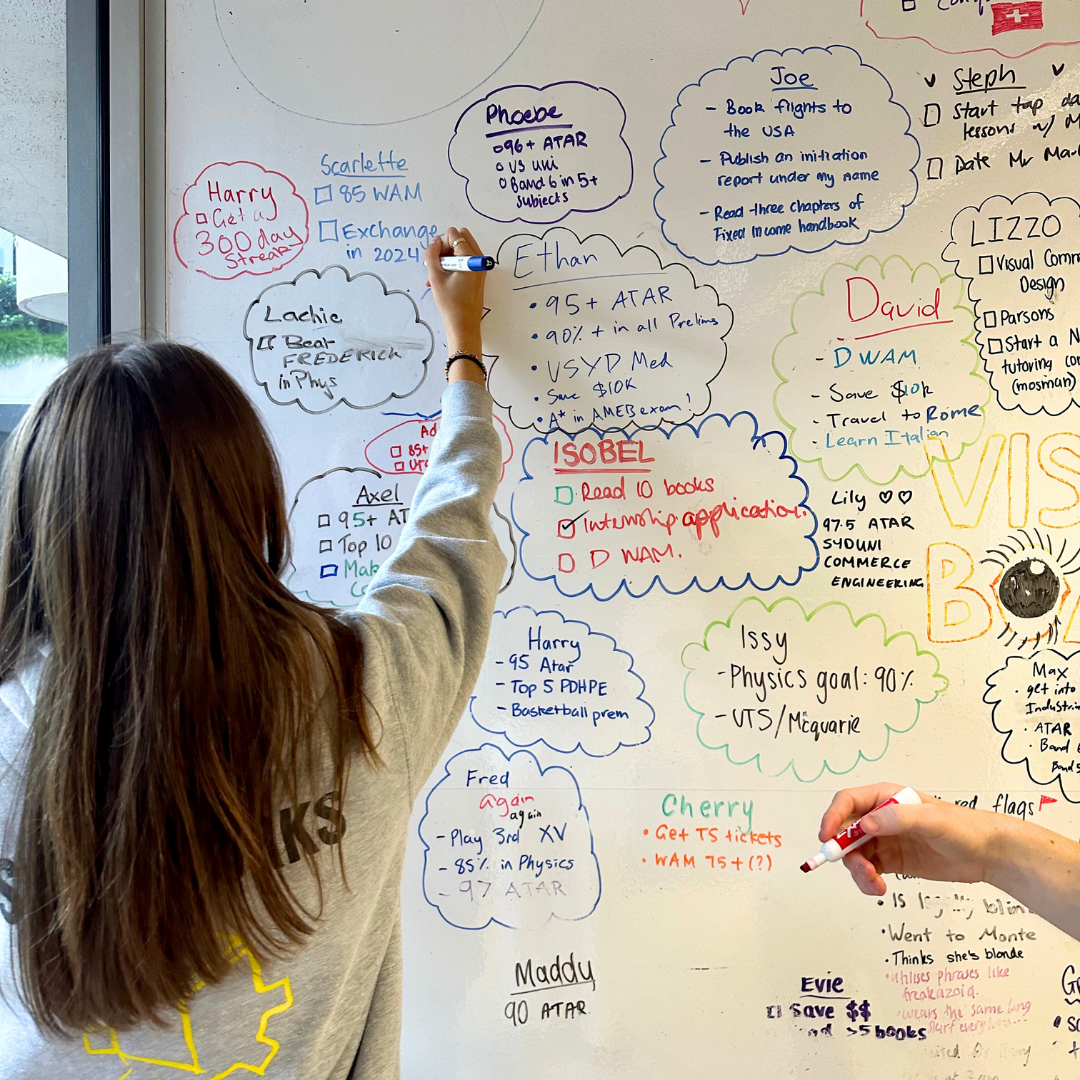



The HSC CoWorks program is designed to cultivate skills that extend far beyond the HSC, setting you on a trajectory for success in both your HSC and life after school. Develop critical thinking, time management, and resilience that lasts a lifetime.
We liken the challenge of the HSC to climbing a mountain, Mount HSC©, and through the consistent application of key behaviours all the way to the top of the mountain students will conquer their Mount HSC.