
Supporting your child through the HSC can be challenging. As a parent, you want to help them achieve their best, but knowing how much to get involved isn’t easy.
At HSC CoWorks, we’ve spent 30 years supporting students through their HSC preparation. One thing we’ve consistently seen is that academic success isn’t just about ability or the number of hours spent studying. It’s about developing effective study habits, staying organised, building resilience and taking responsibility for your own HSC journey.
Parents can play an important role in helping students develop these skills, but that doesn’t mean managing their study schedules or constantly reminding them to do more work.
Here are five practical ways you can support your child to study more effectively, stay motivated and develop the independence they’ll need throughout the HSC and beyond.
1. Focus on Consistency, Not Hours Studied
One of the biggest misconceptions about HSC preparation is that success comes down to how many hours a student spends studying.
However in our experience, students can spend hours creating notes, highlighting textbooks or organising folders without necessarily improving their ability to recall and apply that knowledge in an exam.

One of the challenges for you as a parent is knowing whether your child’s study approach is actually working.
Signs of Effective Study
- Your child can clearly explain their priorities for the week.
- They are regularly completing practice questions and timed responses.
- Study happens consistently, not just before assessments.
- They actively test their knowledge rather than simply rereading notes.
- They seek feedback and use it to improve.
- They allocate time to weaker subjects and challenging topics.
Signs That Study Habits May Need Attention
- Your child is unsure what they should be working on.
- Most study time is spent creating notes or organising materials.
- They only begin serious preparation immediately before assessments.
- They consistently avoid particular subjects or challenging tasks.
- They complete practice questions but don’t seek feedback.
- They spend significant time studying without seeing improvement.
2. Encourage Weekly Planning and Organisation
Managing multiple subjects, assessments and competing commitments is one of the biggest challenges students face during the HSC.
Without a clear plan, students often become reactive, focusing on whichever assessment is due next rather than maintaining consistent progress across all their subjects.
At HSC CoWorks, planning is a fundamental part of our coaching program. Each week, students identify their priorities, break larger tasks into manageable steps and allocate time to the work that will have the greatest impact.
Parents can support this by encouraging a regular weekly planning routine.
Some useful questions include:
-
What assessments are coming up over the next few weeks?
-
Have you broken larger tasks into smaller, achievable actions?
-
Are you allocating time to all your subjects?
-
Have you allowed time for sport, social activities and downtime?
The important thing is that students take ownership of their plan.
While it can be tempting to organise everything for your child, learning to prioritise tasks, manage time and meet deadlines independently is an essential skill for both the HSC and life beyond school.
3. Understand the Difference Between Active and Passive Study
One of the most important things parents can understand is the difference between passive and active study.
Passive study includes rereading textbooks, highlighting notes, watching educational videos and copying information into summaries.
While these activities can be useful when first learning content, they don’t necessarily develop the ability to recall and apply knowledge independently.
Active study requires students to retrieve information from memory, apply their knowledge to different questions and identify gaps in their understanding.
Some of the most effective techniques include:
Active Recall
Rather than repeatedly reading notes, students should close their books and test what they can remember. This might involve flashcards, writing out key concepts from memory or explaining a topic to someone else. Regular retrieval practice strengthens long-term memory and helps students identify what they do and don’t know.
Mindmapping From Memory
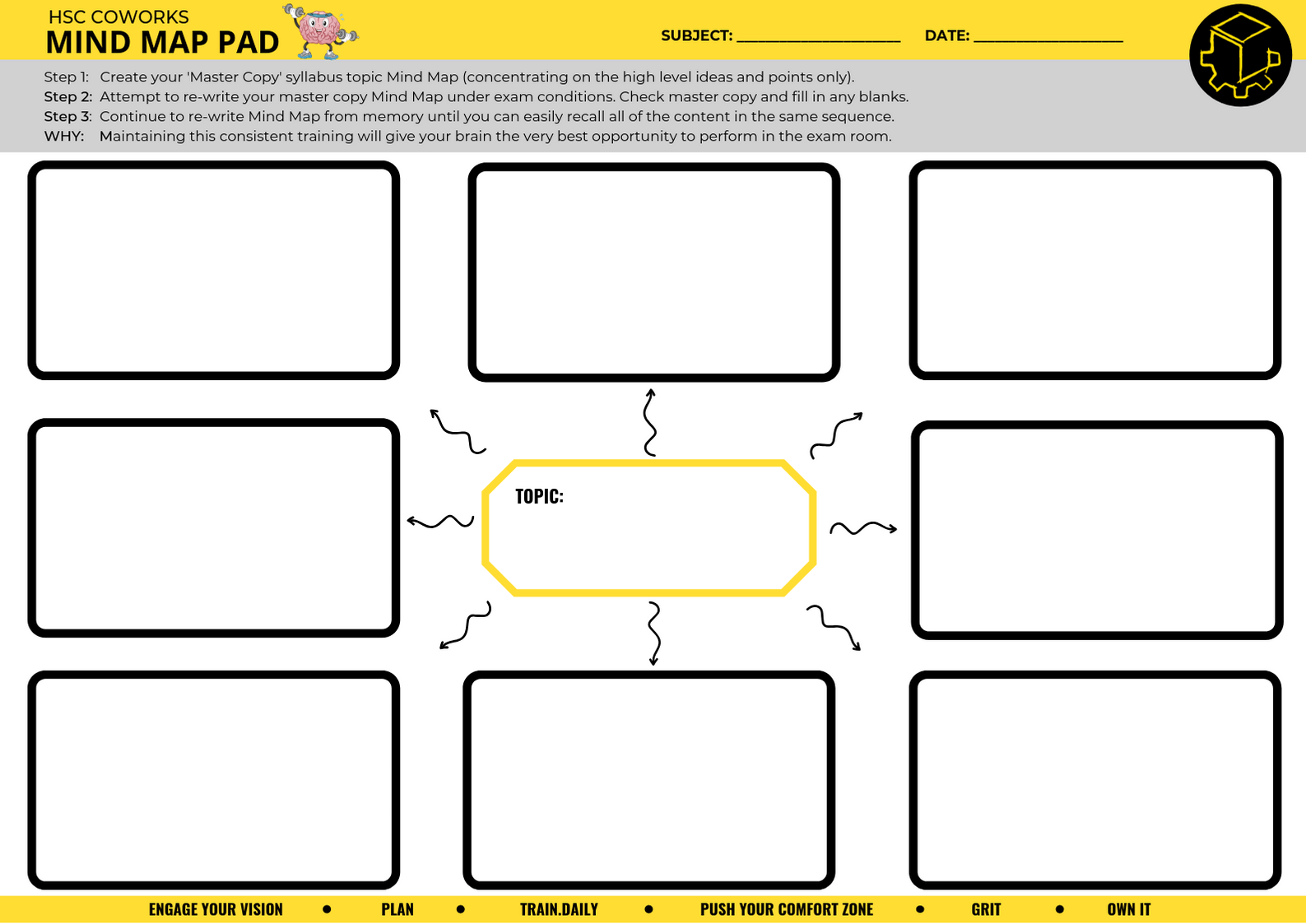
Mindmaps help students organise information and identify connections between topics. However, the greatest benefit comes when students create them from memory rather than copying information from their notes.
Practice Questions
Understanding content is only one part of HSC preparation. Students also need to practice applying their knowledge to different questions. Regular practice questions develop exam technique, improve the structure and quality of responses and help students become more confident tackling unfamiliar questions.
Seeking feedback on completed responses is equally important so students understand where marks are being lost and how to improve.
Timed Practice
Students need to develop the ability to perform under exam conditions. Completing essays, short-answer questions and practice papers within set time limits helps build speed, confidence and exam endurance.
Spaced Repetition
Rather than learning a topic once and moving on, students should regularly revisit content throughout the year. Short, frequent recall sessions strengthen long-term retention and reduce the amount of revision required immediately before exams.
At HSC CoWorks, we refer to this consistent approach as Train Daily, one of our six Key Behaviours.
4. Create aN Environment That Supports Effective Study
A supportive environment can make a significant difference to a student’s ability to concentrate and maintain consistent study habits. Some practical ways parents can help include:
-
Provide a dedicated study space: A quiet, organised area with minimal interruptions helps students maintain focus.
-
Manage distractions: Encourage your child to leave their phone outside of this study space.
-
Establish consistent routines: Regular study times help students build habits and reduce procrastination.
-
Prioritise sleep: Aiming for 8–10 hours of sleep each night. Adequate rest is essential for concentration, learning and memory.
-
Encourage balance: Sport, exercise, social activities and downtime should remain part of a student’s weekly routine.
The objective isn’t to maximise every available hour for study. It’s to help students use their study time effectively while maintaining their wellbeing.
5. Support Motivation Through Consistent Habits
Motivation naturally fluctuates throughout the HSC year and students will no doubt experience periods of fatigue, frustration or reduced confidence, particularly during demanding assessment periods.
Rather than relying on students to feel motivated every day, the focus should be on establishing routines that help them continue making progress. Motivation often comes after we start.
We also encourage students to stay connected to their goals, develop consistent habits and maintain momentum throughout the year. No one wants to be at their desk doing practice questions instead of being out with friends… but how much do you want to achieve those goals you set for yourself?

The HSC is an opportunity for students to develop far more than subject knowledge.
Effective planning, consistent study habits, resilience, self-motivation and personal responsibility are skills that will benefit them throughout university, their careers and beyond.
As parents, the most valuable support we can provide is to encourage these behaviours while giving our children the opportunity to take ownership of their learning and not dip into excuses or blaming others for their lack of progress.
Frequently Asked Questions
How many hours should my child study each day during the HSC?
There is no single number that works for every student. Study requirements depend on their subjects, upcoming assessments, current level of understanding and other commitments.
Quality and consistency are more important than simply accumulating hours.
Two hours of focused active recall, practice questions and exam preparation can be more effective than four hours of passive study.
How can I help my child study without constantly nagging them?
Focus on establishing a regular weekly conversation about their study priorities rather than monitoring their daily activity. Ask what they’re working towards, what challenges they’re experiencing and whether they need any support.
Encourage your child to take responsibility for their study plan and follow through on their commitments.
What is the best way to help my child plan their study schedule?
Start by identifying upcoming assessments, school commitments, extracurricular activities and available study time. Encourage your child to break larger tasks into smaller actions and allocate specific times to complete them.
The aim is to help students develop the skills to manage their own workload rather than relying on parents to organise it for them.
What if my child is studying hard but not getting the results they want?
This often indicates that the issue is study technique rather than effort.
Students may be spending too much time on passive activities, such as rewriting notes, rather than actively recalling, applying their knowledge and simulating exam conditions.
Encourage a greater focus on practice questions, timed responses and seeking feedback.
Understanding where marks are being lost and how to improve is also essential.
Is it normal for motivation to fluctuate during the HSC?
Yes. Motivation will naturally vary throughout the year. The natural urgency of impending exams can spark the motivation to work however it is much harder to motivate yourself to work once those assessments are over. This is why consistent routines, clear goals and effective planning are so important.
When motivation is low, students can still make progress by focusing on manageable tasks and maintaining established study habits.
How do I know if my child needs additional support beyond school?
If your child is consistently struggling with organisation, motivation, study techniques or academic progress, additional support may be beneficial.
At HSC CoWorks, we combine individual subject coaching with performance coaching to help students improve their academic skills while developing the organisation, motivation and independence required to manage the HSC effectively. It is never too late to start and we offer students a FREE 14 DAY TRIAL to assess how CoWorks can support them.

Sarah Gardiner
HSC CoWorks
More from the Blog…

HSC English Essay Marking: Why Expert Feedback Makes the Difference
Practicing writing HSC English essays is important, but knowing exactly how to improve them is what makes the difference. Every HSC year, students will spend hours preparing essays, memorising quotes and practicing exam questions, yet many find their marks aren't...

How to Prepare for Your First Year 12 HSC Assessments: 3 Essential Study Tips
It might feel like you've only just started Year 12, but by Christmas, you'll already be around 25% of the way through your HSC school year. The good news is that what you do over the next few weeks can make a huge difference to how confidently you approach your first...
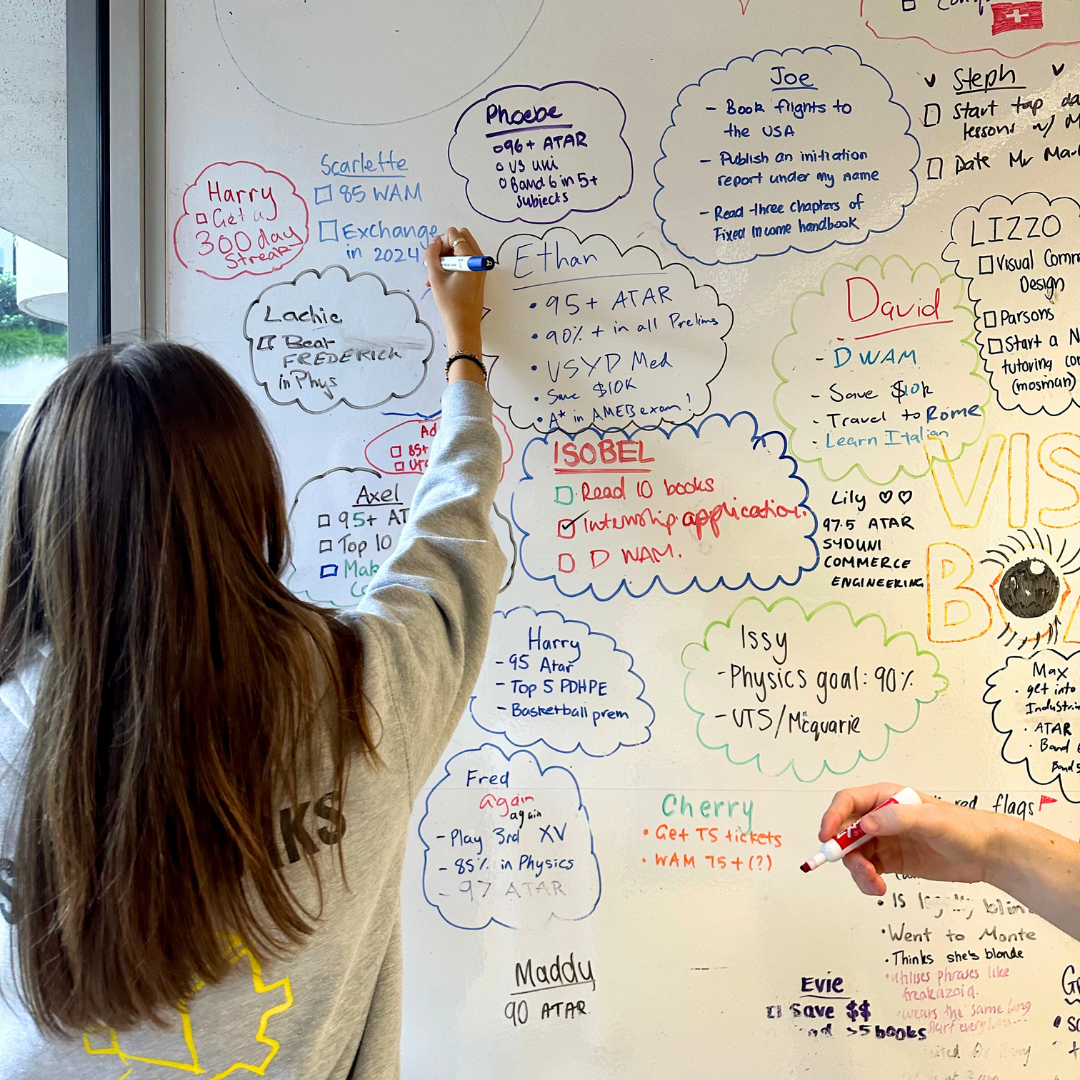

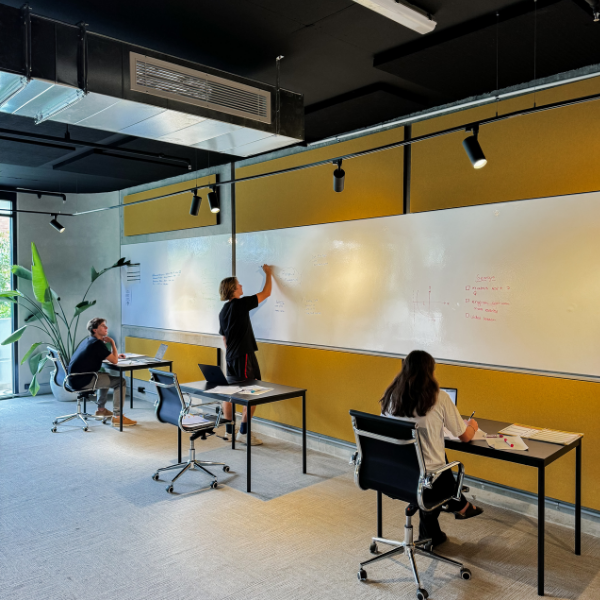

The HSC CoWorks program is designed to cultivate skills that extend far beyond the HSC, setting you on a trajectory for success in both your HSC and life after school. Develop critical thinking, time management, and resilience that lasts a lifetime.
We liken the challenge of the HSC to climbing a mountain, Mount HSC©, and through the consistent application of key behaviours all the way to the top of the mountain students will conquer their Mount HSC.